Streamlining Production: Why Vibrating Conveyors Are Essential for Modern Material Handling
Vibrating screen conveyors find use across mining, food processing, recycling, and manufacturing sectors. Their construction enables a continuous material stream while concurrently filtering out unwanted particles. This twofold capability not only conserves time but also guarantees the quality and uniformity of the end product.
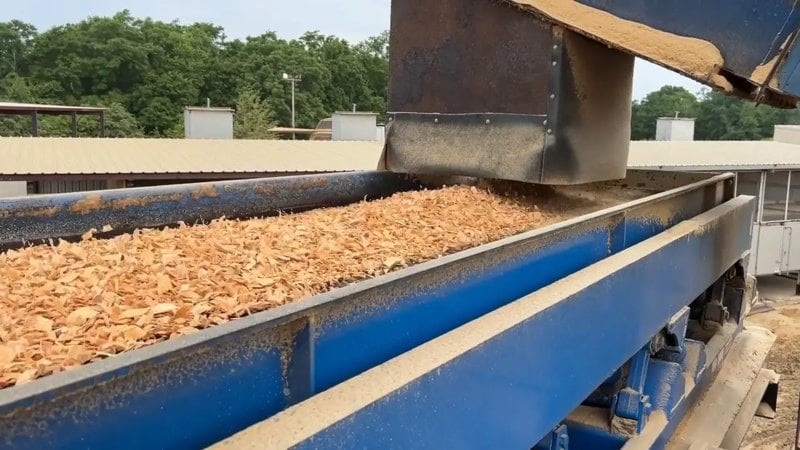
From boosting throughput to cutting maintenance downtime, vibrating conveyors have become a vital element in contemporary material handling systems. Let's examine their operation, the reasons behind their efficiency, and how they can enhance your production process.
Understanding How a Vibrating Screen Conveyor Works
A vibrating screen conveyor functions by employing controlled vibrations to guide materials along a specified route. These vibrations originate from motors or mechanical exciters that produce oscillatory motion on the conveyor tray. As materials advance, finer particles fall through the screen mesh, separating them from larger objects.
This mechanism not only aids in sorting and grading but also assists in drying or cooling materials during transit. The motion prevents material accumulation, minimizing clogs that are frequent in conventional belt conveyors. The outcome is a more seamless and dependable material flow.
Based on the application, vibrating conveyors can be tailored with various tray dimensions, screen types, and vibration frequencies. Whether handling powders, granules, or bulk solids, these systems can be adjusted to suit your operational requirements with exceptional accuracy.
Advantages of Vibrating Screen Conveyors
A major advantage of a vibrating screen conveyor is its efficiency. The steady vibration keeps materials flowing at a consistent pace, cutting down on manual handling and raising overall productivity. This automation lowers labor expenses and significantly increases the rate of material processing.
Versatility is another significant benefit. These conveyors are capable of managing a broad spectrum of materials—from delicate food products to heavy industrial parts—without causing harm. Their construction reduces friction and supports gentle handling, which is particularly important in sectors where product quality is crucial.
Furthermore, these conveyors are recognized for their robustness. Since they have fewer moving components and minimal belt wear, they need less upkeep and last longer than conventional systems. In the long run, this results in reduced operating expenses and fewer disruptions in production.
Applications Across Industries
Vibrating screen conveyors are essential in numerous industries. In mining, they aid in sorting minerals and ores by size, boosting processing effectiveness. Within the food sector, they are employed to sift and move grains, nuts, or powders while preserving cleanliness and avoiding contamination.
Recycling centers also gain from these systems. They are utilized to separate recyclable items such as glass, plastic, and metal prior to further treatment. The capability to sort materials effectively aids in sustainability and resource recovery.
In manufacturing settings, vibrating conveyors keep assembly lines running smoothly by guaranteeing a steady supply of materials. Whether they're feeding components into equipment or shifting products from one stage to the next, they boost both accuracy and speed in industrial operations.
Design Features That Enhance Performance
Today's vibrating screen conveyors come with advanced engineering upgrades aimed at maximizing efficiency. Operators can adjust the vibration intensity to suit different materials and flow rates. High-grade springs and dampers keep the system stable even when handling heavy loads.
A number of these systems feature stainless steel trays and sealed enclosures, which make them ideal for sanitary or high-temperature settings. Certain models include multi-deck screens that allow for sorting into several size categories at once, enhancing production flexibility.
Moreover, integrated sensors and control systems now enable live tracking of vibration levels, motor health, and material flow. These intelligent features help minimize downtime by flagging potential problems before they disrupt operations.
Energy Efficiency and Sustainability
Vibrating screen conveyors also stand out for their energy efficiency. Since they use oscillating motion instead of continuous belt movement, they draw far less power. Reduced mechanical friction also means less heat buildup and diminished wear over the long run.
These systems help support sustainability by cutting down on waste and making better use of resources. Since they can sort and separate materials while moving them, there's less need for extra equipment, which saves energy and space along the production line.
In addition, more manufacturers are now building eco-friendly versions that rely on variable frequency drives (VFDs) to adjust vibration speed. This way, only the necessary energy is consumed for each type of material, which boosts overall efficiency even further.
Maintenance and Operational Tips
For optimal performance, it's essential to carry out routine inspections and preventive upkeep. Operators should regularly check for loose bolts, worn springs, or material buildup on screens. Keeping the equipment clean ensures smooth vibrations and steady throughput.
Following the manufacturer's guidelines for lubricating moving parts and motors helps extend equipment life. It's also crucial to keep an eye on vibration levels — excessive vibration can lead to component wear, while insufficient vibration may reduce material flow efficiency.
Finally, proper staff training on system operation is key to ensuring safety and reducing downtime. With the right maintenance, a vibrating screen conveyor can provide many years of dependable service while maintaining excellent performance.
Conclusion
Vibrating screen conveyors combine innovation, efficiency, and dependability in material handling. They boost processing precision, increase productivity, and lower maintenance expenses — all while promoting a more eco-friendly operation.
Gaining insight into their design, uses, and working principles allows companies to make well-informed choices when upgrading or refining their production processes. Whether your field is manufacturing, mining, or food processing, embracing this technology can markedly improve your operational performance.
In an era where accuracy and efficiency are key to success, the vibrating screen conveyor remains a vital element in contemporary industrial settings.