How Industrial Dryers Enhance Product Quality and Reduce Costs
Unlike small-scale drying setups, industrial dryers are built for precision and consistent output. They remove moisture uniformly, reduce contamination risks, and cut processing times, which makes them a key component in high-volume production settings. For businesses looking for both dependability and room to grow, these systems deliver a lasting competitive advantage.
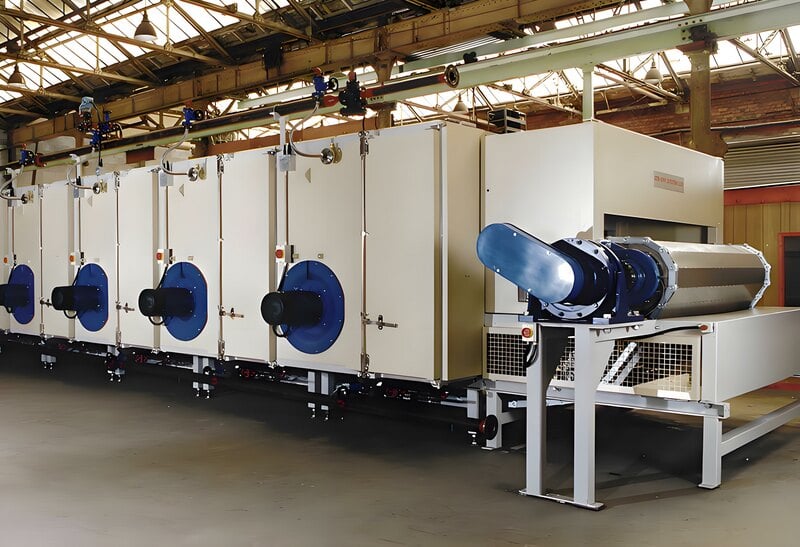
This piece looks at how industrial dryers function, their main advantages, and why selecting the right drying technology can upgrade your entire manufacturing process.
Understanding Industrial Dryer Technology
Industrial dryers rely on heat and mass transfer principles to pull moisture from raw materials or finished goods. They are available in several configurations — including rotary dryers, fluid bed dryers, and spray dryers — with each type tailored to specific materials and applications. The best choice depends on the product’s makeup, target moisture content, and production volume.
Rotary dryers, for example, suit bulk materials such as minerals and grains, whereas fluid bed dryers are well suited to even drying of granules or powder-based products. Spray dryers are frequently used in food and pharmaceutical sectors to turn liquids into fine powders with high efficiency.
Contemporary systems incorporate temperature sensors, airflow controls, and automation, providing consistent drying outcomes while using less energy. This blend of accuracy and efficiency has made industrial dryers essential on modern production lines.
Key Benefits of Industrial Dryers
One major benefit of industrial dryers is better product quality. By keeping drying conditions steady, these machines prevent clumping, microbial growth, and spoilage, which helps maintain uniform texture, appearance, and shelf life. In industries such as pharmaceuticals or food processing, this level of consistency is crucial for meeting regulations and earning customer confidence.
Faster processing is another advantage. Traditional drying approaches can take hours or even days, while industrial dryers finish the job in a fraction of the time. That quicker turnaround lets manufacturers boost throughput without sacrificing quality or safety.
Energy efficiency also stands out. Modern dryers use heat recovery systems and smart controls that cut waste and optimize power consumption. That lowers operating expenses and supports sustainability efforts in energy-intensive industries.
Applications Across Industries
Industrial dryers are used in a broad range of sectors. In the chemical industry, they remove solvents and moisture from compounds to keep the final product pure. In food processing, dryers help preserve ingredients by lowering water content and extending shelf life without added preservatives.
The pharmaceutical sector depends on precise drying systems to ensure product stability and correct dosages. For instance, spray dryers create powders for tablets or inhalable medications with tightly controlled particle sizes and moisture levels.
Moreover, in construction materials and mining, dryers play a critical role in handling raw minerals and aggregates, reducing moisture before storage or transport to prevent material damage.
Enhancing Production Efficiency
Adding industrial dryers to a production line boosts overall efficiency significantly. Automated systems can operate continuously, lowering the need for manual oversight and reducing human error. Consistent drying conditions mean less rework, lower waste rates, and better output across shifts.
Smart dryers with programmable logic controllers (PLCs) and IoT connectivity let operators monitor temperature, humidity, and performance data in real time. That makes it easier to spot issues early and maintain steady output, even when production conditions vary.
Additionally, the modular design of many current dryers allows them to integrate smoothly with other equipment, such as conveyors, mixers, or packaging systems, ensuring a seamless material flow from start to finish.
Energy Efficiency and Sustainability
As sustainability becomes a bigger focus, energy-efficient drying solutions are increasingly important. Manufacturers now build dryers with advanced insulation, heat exchangers, and optimized airflow to lower energy use without sacrificing performance.
Some systems go further by reclaiming waste heat from other parts of the production process, reducing overall energy consumption even more. The outcome is lower utility bills and a smaller carbon footprint, which benefits both manufacturers and the environment.
Investing in eco-friendly industrial dryers helps companies comply with environmental rules while also strengthening their reputation as responsible and forward-thinking operations.
Maintenance and Operational Considerations
Proper maintenance is essential for keeping industrial dryers running well for years. Regular checks of heating elements, airflow systems, and exhaust parts help catch wear and tear before it causes expensive downtime.
Many modern dryers come with self-cleaning features and easy-access panels, which simplifies upkeep and shortens shutdown periods. Operators should also stick to the manufacturer’s maintenance schedule to preserve performance and safety standards.
Training staff on the correct operation and maintenance procedures ensures the system runs smoothly and prevents overloading or overheating, which are common sources of equipment damage.
Conclusion
Industrial dryers are far more than simple heating units — they are precision-built systems that improve quality, efficiency, and sustainability in manufacturing. By offering reliable moisture control and quicker processing, they help industries keep up with growing production needs while holding high standards.
From pharmaceuticals and food manufacturing to heavy industry, the advantages of industrial dryers are clear: less waste, lower costs, and better performance. As technology advances, these systems will stay at the core of smart manufacturing’s future.
For businesses looking to improve their operations, adopting advanced drying technology is one of the most effective moves toward dependable and energy-efficient production.