Drive Efficiency Forward: Smart Industrial Machines Transforming Modern Business
Technology is transforming the way businesses function, manufacture, and expand across every sector. Older equipment is giving way to state-of-the-art industrial machines that offer faster output, higher accuracy, and lower operating expenses.
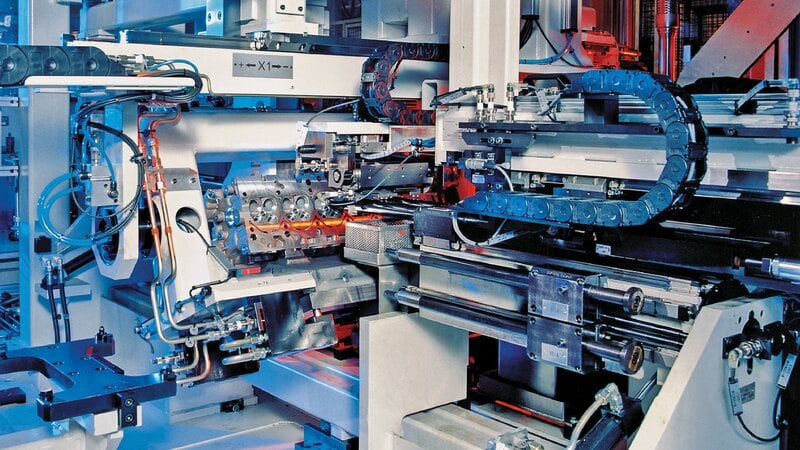
Many companies hold back on upgrades because they worry about expense or implementation challenges. But today’s industrial solutions are easier to use and more affordable than they used to be. With digital controls, IoT connectivity, and automation built in, current equipment goes far beyond simple mechanical tasks—it enables smarter, data-informed decision-making.
Understanding Modern Industrial Machines
Today’s industrial machines mark a major step forward in engineering and design. Unlike older models that depended heavily on manual operation, newer systems pair mechanical capability with intelligent software. Equipment can now calibrate itself, monitor performance data, and warn operators about potential problems before breakdowns occur, helping avoid costly interruptions.
Automation is now a central part of industrial design. From robotic arms on assembly lines to intelligent CNC systems, technology cuts down on human error and delivers precision throughout the process. This shift lets teams concentrate on planning, analysis, and quality assurance instead of repetitive manual tasks. The payoff is greater output, fewer mistakes, and reduced maintenance requirements.
Sustainability has also become a major focus in industrial development. Many manufacturers now build energy-efficient machines that generate fewer emissions and use recyclable materials. When companies switch to modern, environmentally friendly equipment, they lower operational costs and improve their environmental image—an asset that matters more and more in today’s market.
Why Upgrading Machinery Boosts Productivity
Moving to advanced industrial machines can immediately improve workflow efficiency. Automated production lines can keep running around the clock, reducing downtime and increasing throughput. AI-powered inspection systems, for instance, spot defects instantly, helping preserve product quality and reduce scrap.
Beyond raw production numbers, new equipment improves communication across departments. Smart machines link to centralized monitoring platforms, providing managers with real-time visibility into performance and resource usage. This data-driven approach enables companies to fine-tune production schedules, anticipate maintenance, and prevent bottlenecks before they develop.
One benefit that often gets overlooked is employee morale. When workers use dependable, modern machinery, safety gets better and physical stress is reduced. Employees can move from hands-on control to oversight roles, picking up new technical skills and contributing to innovation. Better equipment results in a more engaged workforce and stronger company performance.
Top Industrial Machine Innovations Shaping 2025
The world of industrial innovation is changing quickly. In 2025, a number of breakthroughs are transforming what’s possible on the factory floor. A major trend is the rise of artificial intelligence in machine control. AI systems can respond to changing conditions and make independent adjustments to boost efficiency and accuracy.
Additive manufacturing, commonly called 3D printing, is another key development. Once used mainly for prototypes, it now supports full-scale production of parts with intricate shapes and lightweight materials. This approach reduces waste and shortens production timelines, allowing manufacturers to customize products more quickly than ever.
IoT-enabled equipment is also changing the connectivity landscape. Machines now share information with each other, building a fully automated, self-monitoring environment. Predictive maintenance algorithms analyze performance continuously, avoiding sudden failures and extending equipment life. These advances are leading the way toward smarter, more resilient manufacturing operations.
Strategies to Maximize ROI on Industrial Upgrades
Getting the most from an investment in industrial equipment calls for a careful strategy. Start by identifying the steps in your production process that cause the biggest delays or losses. Upgrading those areas first delivers immediate benefits while limiting financial exposure. A staged modernization plan is often simpler and more economical than replacing everything at once.
Training matters just as much. Workers need to know how to run, maintain, and get the best from new systems. Partnering with manufacturers for training and ongoing support can speed up adoption and reduce early downtime. Skilled operators get more value out of high-tech machinery and help automation deliver steady results.
Data analytics should also be part of the plan. Many new industrial machines come with built-in monitoring tools that produce performance reports. When managers analyze this information, they can make smarter decisions about scheduling, upkeep, and energy use. Continuous improvement based on data ensures long-term profitability and efficiency.
Overcoming Common Challenges in Machine Modernization
Switching to new equipment can be tough, especially for companies with well-established routines. Resistance to change, training gaps, and compatibility concerns often slow the process. Clear communication and strong leadership can help address these obstacles. Employees need to understand not only how to use the new machinery, but also why the upgrade is important for the company’s future.
Balancing cost and capability is another hurdle. Top-of-the-line equipment is appealing, but not every operation needs the most advanced model. Companies should prioritize scalability—picking machines that can expand with demand instead of overpaying upfront. A thoughtful buying strategy considers both current needs and future goals.
Integration with existing systems also requires careful planning. New technology should strengthen your infrastructure, not force a full replacement. Work with vendors to make sure equipment works smoothly with your current ERP or digital management tools. Proper integration prevents downtime and keeps operations running without interruption.
The Future of Industrial Innovation
In the years ahead, industrial technology will keep progressing toward stronger connectivity, intelligence, and sustainability. The growth of AI-driven automation, cloud-based monitoring, and digital twins will make manufacturing more flexible and productive than ever before. Companies that act early and embrace these developments will be in a stronger position to lead their industries.
The line between human and machine collaboration will continue to fade in the coming years. Operators will work beside intelligent systems that learn and improve on their own. That partnership will reshape productivity and innovation, raising the bar for performance and precision across all industries.
For businesses hoping to grow, adopting cutting-edge industrial machines is more than an upgrade—it’s a transformation. With careful investment, solid team training, and the right digital tools, you can create a smarter, faster, and more sustainable operation. Technology is where the future of business lies, and the time to modernize is now.