Best Business Phone Systems for Small Companies in 2026
Business owners in 2026 have more communication options than ever, and the phone system you choose can have a direct impact on customer trust, team productivity, and long-term growth. Getting a clear picture of your options now helps you steer clear of costly mistakes and keeps your operations ready for what’s ahead.
1. Understand What a Business Phone System Is
A business phone system is a communication setup built for professional use, letting companies handle both incoming and outgoing calls efficiently. Unlike personal phone plans, it supports multiple users, extensions, call routing, analytics, and integrations that allow a business to operate at scale.
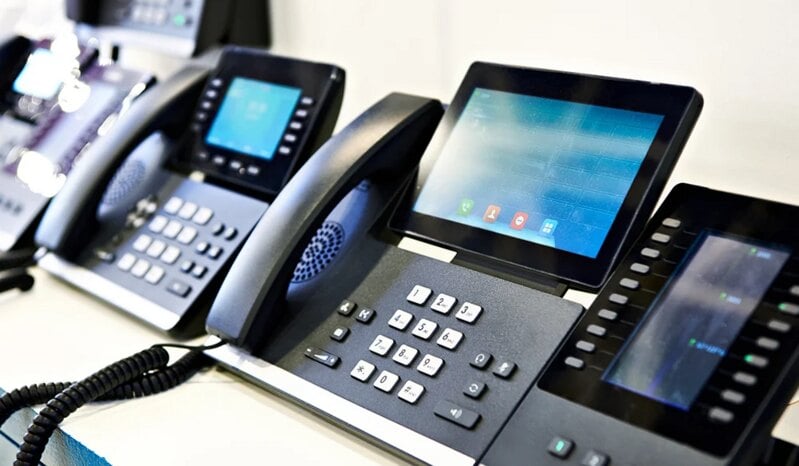
Under the hood, a business phone system brings together hardware, software, and network infrastructure. Desk phones and headsets are common hardware pieces, while software manages calling, voicemail, and reporting. By 2026, most systems run on cloud infrastructure rather than on-site equipment, offering more flexibility and resilience.
For small businesses, a dedicated phone system is no longer optional. Customers expect fast responses, professional greetings, and smooth call transfers. A solid system makes sure calls are answered consistently, routed to the right place, and logged for quality control. It also lets your business project a credible, established image no matter its size.
2. Understanding the Main Types of Business Phone Systems
Before choosing a solution, it helps to understand the different phone system options available to small businesses.
Traditional landline systems depend on copper wiring and on-site hardware. They tend to be reliable, but they are costly to maintain, difficult to scale, and short on modern capabilities. For expanding companies in 2026, they are largely outdated.
VoIP phone systems transmit voice calls over the internet. They deliver lower costs, advanced features, and easy scalability. Most small businesses now prefer VoIP because it fits remote work and connects well with current software tools.
Cloud-based phone systems take VoIP a step further by hosting all infrastructure off-site. The provider manages updates, security, and uptime, reducing the IT burden on your team. These systems work well for small businesses without dedicated technical staff.
Hybrid systems combine on-site hardware with cloud services. They can make sense for companies moving away from legacy systems, but they often add complexity. For most small businesses in 2026, fully cloud-based VoIP systems give you the best balance of cost, flexibility, and performance.
3. Key Features to Look for in a Small Business Phone System
Features matter more than ever when you’re comparing phone systems. Call routing and auto-attendants get customers to the right department without delays. That improves satisfaction and cuts down on missed calls.
Mobile and remote work support is essential. Your system should let employees make and receive business calls from smartphones or laptops without giving out personal numbers. Voicemail-to-email and call transcription help teams stay responsive even when they can’t answer immediately.
Integrations with CRM and productivity software are becoming more important. When calls are logged into customer records automatically, teams save time and gain useful context. In 2026, AI-powered analytics and call summaries are becoming standard, making it easier to track performance and improve service.
As you compare systems, focus on features that match your actual workflows rather than paying for advanced tools you may never need.
4. Scalability and Flexibility for Business Growth
A phone system should grow with your business, not hold it back. Scalability means you can add or remove users quickly without pricey hardware upgrades. That’s especially valuable for seasonal businesses or companies with changing staffing levels.
Multi-location support lets several offices share one unified system. Calls can be routed smoothly across locations, giving customers a consistent experience. Even if you plan to stay local, this flexibility protects you if your business expands down the road.
International calling and virtual numbers are worth considering, too. They allow small businesses to build a presence in new markets without physical offices. In 2026, flexibility isn’t just a convenience—it’s a competitive edge.
5. Cost Considerations and Budget Planning
Cost is a big factor for small businesses, but looking only at monthly pricing can be misleading. Traditional systems often come with heavy upfront investments and ongoing maintenance expenses. Cloud-based systems generally use subscription pricing, spreading costs over time.
You’ll also want to factor in hardware purchases, international calling rates, and extra features. Some providers charge separately for analytics, integrations, or premium support. Reviewing how transparent the pricing is can help you avoid surprises later.
Long-term return on investment matters more than short-term savings. A slightly higher monthly fee can bring better reliability, productivity, and customer satisfaction. The goal is to pay for value, not simply a long list of features.
6. Security, Reliability, and Compliance
In 2026, security is non-negotiable. Business phone systems handle sensitive customer data, recordings, and sometimes payment information. Encryption for calls and stored data is a must.
Reliability matters just as much. Look for providers with strong uptime guarantees and redundant infrastructure. Even short outages can damage customer trust and disrupt daily operations.
Compliance requirements vary by industry. Healthcare, finance, and legal firms may need call recording controls or data retention policies. Choosing a provider that understands compliance helps reduce legal and operational risks.
7. Evaluating Providers and Making the Final Decision
Choosing the right provider is just as important as choosing the right system. Leading cloud providers such as RingCentral, Zoom Phone, and Nextiva offer feature-rich options built for small businesses.
When evaluating providers, consider onboarding support and overall customer service quality. A smooth setup saves time and avoids frustration. Free trials and demos let you test the experience before making a commitment.
Watch for red flags such as unclear pricing, rigid long-term contracts, or limited support availability. A reliable provider should act as a partner in your business growth, not just a vendor.
FAQ
What is the best phone system for remote teams?
Cloud-based VoIP systems are the strongest choice because they let employees work from anywhere while keeping the same business number.
Is VoIP reliable enough for small businesses?
Yes. With a stable internet connection and a reputable provider, VoIP reliability now matches traditional phone service.
Can I keep my existing business phone number?
Most providers support number porting, so you can keep your current number.
How long does it take to switch phone systems?
Many cloud systems can be up and running in just days, depending on number porting and configuration needs.
Conclusion
Choosing the best phone system for your small business in 2026 means balancing technology, cost, scalability, and reliability. When you understand how modern systems work and match them to