How to Choose the Right Forklift Hire for Your Business
Renting a forklift has become a go-to option for companies that want flexibility, lower costs, and better efficiency when moving materials. Whether you run a warehouse, a construction project, or a manufacturing facility, forklift hire lets you avoid a large upfront purchase while still covering both temporary and ongoing needs. So how does the process actually work, and what factors should you weigh before committing to a rental contract?
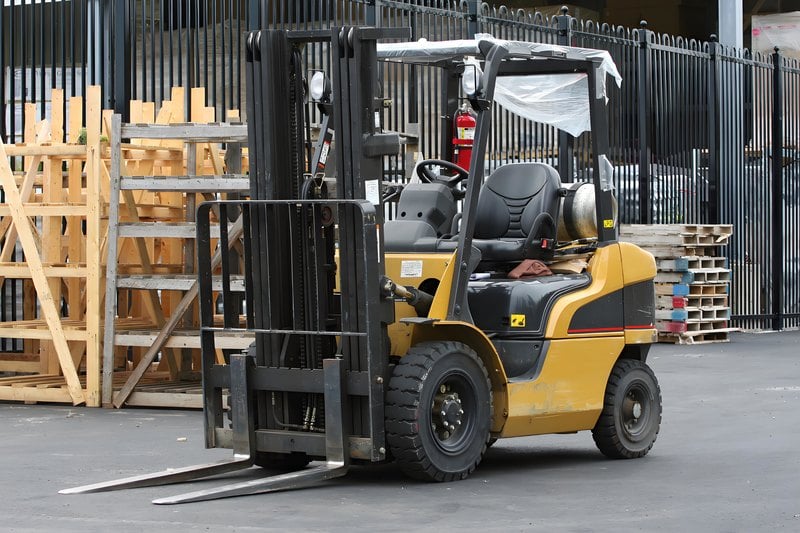
Here's how adding forklift hire to your operations can make good business sense.
1. What Is Forklift Hire?
Forklift hire means renting equipment for a set period rather than buying it outright. Companies typically turn to rentals to handle temporary spikes, seasonal work, or specific projects. Rental terms can stretch from just a few days to multiple years, depending on what the business needs.
Most rental companies carry a broad range of machines—electric, diesel, and LPG models included. That variety makes it easy to match the equipment to the setting, whether it's an indoor warehouse, an outdoor job site, or a combination of both.
Beyond flexibility, hiring gives you access to newer models and the latest technology without tying up significant capital. That keeps operations efficient while preserving your financial stability.
2. Benefits of Forklift Hire
Cost savings are among the most attractive benefits of renting. Rather than putting a large amount of money into buying machinery, you can direct those funds to staff development, logistics upgrades, or other priorities.
Maintenance support is another big plus. Most rental agreements cover servicing and repairs, so your machinery stays safe and reliable. That reduces the stress of sudden breakdowns and helps minimize downtime.
Scalability also makes rental a smart fit for growing operations. You can expand or shrink your fleet as demand changes, which means you're not paying for unused equipment in slower periods.
3. Choosing the Right Forklift for Your Needs
Choosing the right forklift comes down to the type of work you do. Electric models are usually the top choice indoors because they run quietly and produce no emissions. Diesel units, on the other hand, handle outdoor sites better, especially on rough ground or with heavy loads.
Before you decide, think about load capacity, lift height, and how easy the machine is to maneuver. Narrow aisles? A compact reach truck could be more practical. Construction sites? A rough-terrain forklift provides greater stability and ruggedness.
Talk to rental specialists so they can match the right forklift model to your daily operations. That approach supports safety, productivity, and better cost control over time.
4. Understanding Forklift Hire Agreements
Before signing a rental agreement, make sure you understand all the terms. Contracts usually spell out the rental period, who handles maintenance, and any charges for damage or late returns.
Providers generally offer two main rental options. Short-term hire works well for temporary jobs or seasonal busy periods, while long-term hire suits businesses with continuous needs. Long-term deals often include reduced monthly rates and extra service perks.
Be sure to examine the fine print on insurance, breakdown help, and replacement equipment. Clear communication with the rental company means fewer surprises while the contract is active.
5. Cost Factors in Forklift Hire
Forklift rental pricing depends on factors like rental length, machine type, load capacity, and extra services. Electric forklifts usually have a higher initial rate but lower day-to-day operating costs, whereas diesel models can be more expensive to run because of fuel.
You may also see fees for delivery, pickup, and insurance. Requesting a full quote from several suppliers is the smartest way to compare your options side by side.
If you're renting long term, try negotiating for a maintenance-inclusive package so there are no surprise costs. Many providers also offer payment plans that fit your cash flow.
6. Safety and Training Considerations
Safety has to be the top concern whenever forklifts are in use. Rental providers frequently ask for proof that your operators are certified, and some include training in the rental package.
Routine inspections, correct load handling, and following workplace rules all help avoid accidents. Make certain the rented units come with current inspection certificates and meet safety requirements.
Training improves more than just safety—it also raises productivity. Skilled operators move loads more efficiently and are less likely to cause equipment damage.
7. Tips for Maximizing Value from Forklift Hire
To maximize value, start with a careful assessment of your needs—workload, working environment, and how long you'll need the equipment. Don't rent more machinery than necessary, since that quickly adds to costs.
Set up a routine maintenance and inspection schedule even when the rental company provides servicing. Catching small problems early keeps your workflow steady and avoids bigger issues later.
Finally, work on building a lasting relationship with a dependable rental provider. Loyal customers often get discounts and priority service, which makes future rentals smoother and more affordable.
Conclusion
Forklift rental provides a practical, budget-friendly route to higher productivity without the financial weight of ownership. With flexible terms, maintenance coverage, and modern equipment available, it works well for businesses of any size.
When you take time to understand your requirements, compare rental options, and keep safety front and center, you'll make better forklift hiring choices that boost performance and lower expenses. Whether you're dealing with seasonal peaks or planning for long-term expansion, forklift hire lets your business adjust quickly and stay efficient.