The Future of Customer Support: How AI Is Revolutionizing Service Quality
Artificial intelligence is reshaping how companies engage with their customers, bringing automation, personalization, and valuable insights into every exchange. Today's AI systems can pick up on tone, anticipate intent, and even detect frustration—all in real time. This technology isn't just improving service quality; it's completely transforming what great customer care looks like.
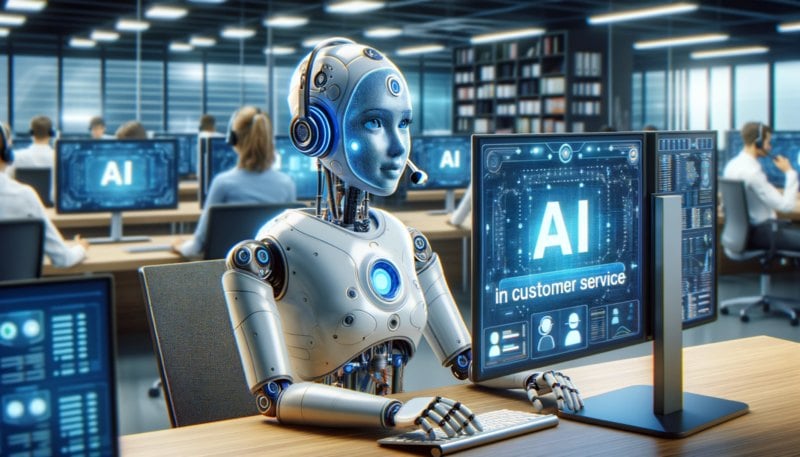
Understanding AI's Role in Modern Service
At its heart, AI in customer service relies on algorithms and data-driven models to streamline and enhance communication. These systems can handle enormous volumes of information, learning from each interaction to deliver more relevant solutions over time.
Natural language processing (NLP) lets AI understand spoken and written language, while machine learning helps it get better with every use. Together, these technologies power chatbots and virtual assistants that feel surprisingly intuitive.
Beyond automation, AI offers analytics that uncover patterns in customer behavior. This allows companies to spot potential issues before they happen, moving from reactive support to proactive service.
Personalization Through Predictive Insights
Personalization is where AI truly shines. By examining user data—past purchases, browsing habits, and feedback—AI can customize recommendations and responses for each individual customer. This makes every interaction feel tailored and meaningful.
Retailers leverage AI to recommend products before shoppers even know they need them. Banks use predictive tools to provide timely financial guidance. Healthcare organizations apply similar systems to remind patients of appointments or medication routines.
These cases point to a new way of working: service that adjusts in real time to what customers need, rather than waiting for them to ask.
Automation That Feels Human
A major hurdle in automating customer service is preserving a human touch. Fortunately, progress in conversational AI and sentiment analysis is helping machines grasp emotion, tone, and intent more accurately than ever.
Today's chatbots aren't stuck with canned responses—they can adapt based on user behavior and emotional signals. For example, if a customer shows frustration, the AI can escalate the situation or respond with more empathy.
This blend of logic and compassion has made AI a dependable partner for human support teams, boosting both efficiency and customer confidence.
Benefits for Businesses and Consumers
For companies, AI cuts operational expenses by handling routine tasks like ticket routing or simple questions. This lets human agents devote their time to complex, high-stakes interactions that need emotional intelligence.
For customers, the upsides are just as clear. They get quicker responses, round-the-clock availability, and steady quality in every interaction. AI removes the long waits and mix-ups that often frustrate people with traditional support channels.
In the end, this leads to a win-win situation: businesses run more efficiently while customers enjoy smooth, tailored experiences.
Challenges in AI-Powered Customer Experience
Even with its benefits, rolling out AI in customer service isn't without obstacles. Data privacy is a major worry, since companies must manage sensitive customer information with care.
What's more, poorly built AI systems can annoy users with stiff or off-target replies. Striking the right mix of automation and human oversight is essential to keeping customers happy.
Companies that manage to clear these hurdles will define the next era of customer experience.
The Future of AI-Driven Service
The road ahead for customer service is closely tied to artificial intelligence. In the years to come, we can look forward to AI that not only answers customers but also anticipates their needs and emotions with impressive precision.
Pairing AI with augmented reality and voice-based interfaces will make communication feel even more natural and engaging. AI will also step up in employee training, helping support teams sharpen their skills with real-time feedback.
As AI keeps advancing, it won't replace human connection—it will enhance it, giving businesses the tools to deliver smarter, faster, and more thoughtful service experiences.
Conclusion
Artificial intelligence has grown from a helpful tool into a central force in customer experience. It lets businesses understand their customers more deeply, respond more quickly, and earn trust through dependable service.
Although hurdles persist, AI's ability to improve every part of the customer journey is clear. From tailored suggestions to predictive issue-solving, intelligent automation is the path to service that's ready for the future.
In today's digital world, smarter service isn't just a nice extra—it's what people expect. And AI is the engine driving it forward.