What Is a Gesture-Based Access Control System? Benefits, Uses, and Integration
Ever thought about opening a door or signing into a device using only a hand wave? Gesture-based access control systems do exactly that, swapping physical keys, cards, or passwords for human movement. This advanced technology reads gestures—such as a wave or tracing a shape in the air—to provide secure entry.
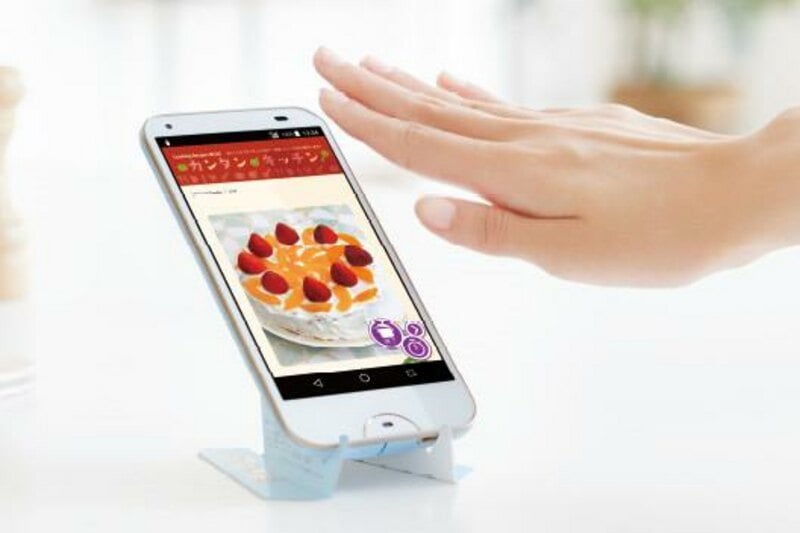
With sensors, cameras, and AI growing more accurate, gesture recognition is shifting from science fiction into everyday use. Across smart homes and industrial safety systems, it is changing how we approach access, identity, and convenience.
1. Understanding Gesture-Based Access Control Systems
A gesture-based access control system relies on motion detection and artificial intelligence to recognize particular hand or body motions as authentication signals. Rather than entering a password or scanning a fingerprint, users make preset gestures that the system identifies.
Under the hood, the technology brings together computer vision, depth sensors, and pattern-recognition algorithms. Together, these parts examine the shape, direction, and speed of a gesture in real time to verify identity.
This approach not only seems futuristic but also eliminates the need for physical touch—a benefit for hygiene and efficiency, particularly in busy spaces.
2. How Gesture Recognition Technology Works
Gesture recognition depends on three core components: sensing, interpretation, and response. Cameras or radar sensors collect motion data first. Then AI algorithms analyze those signals to spot patterns corresponding to approved gestures.
Machine learning is essential here. Systems get better over time by learning from repeated movements, cutting down false positives and boosting accuracy. Some platforms even adjust to minor differences in gesture style, which makes authentication feel more intuitive.
After being recognized, the gesture sets off a response—unlocking a door, retrieving data, or launching a particular task. The outcome is a smooth, touchless experience driven by motion intelligence.
3. Real-World Applications Across Industries
Gesture-based access control is already showing up across a number of industries. In smart homes, people can open doors, manage lights, or change temperature settings with simple gestures. That adds convenience and accessibility, especially for those with limited mobility.
In corporate environments, staff can enter secured spaces or activate equipment without ever touching a screen or keypad—an ideal fit for cleanrooms and laboratories.
In automotive design, gesture recognition lets drivers adjust navigation or music with hand movements, reducing distractions and enhancing safety. These examples illustrate just how flexible the technology has become.
4. Integration with IoT and Smart Security Systems
Gesture-based systems slot neatly into the Internet of Things (IoT) ecosystem. Hooked up to smart locks, cameras, and sensors, a gesture can set off a chain of automated actions.
For instance, waving at a smart door could unlock it, switch on the lights inside, and adjust the thermostat—all through coordinated IoT integration. Companies can also use gesture controls to centrally manage building entry, lighting, and security cameras.
When gesture recognition is paired with cloud-based management and AI analytics, organizations can build responsive spaces that adapt to people's behavior in real time.
5. Challenges and Limitations
Even with its potential, gesture-based access technology has hurdles. Environmental factors—like lighting, camera angle, or movement in the background—can impact accuracy.
There's also the learning curve for users. Although gestures feel natural, people still need consistent practice to perform them correctly, especially in enterprise environments.
Security needs to keep advancing as well. Attackers could try to reproduce gestures using video playback or mechanical movement. To fight that, developers build in multi-layer verification, fusing gesture data with depth sensing, motion patterns, and even signals from wearable devices.
6. Combining Gesture Control with Other Authentication Methods
For greater reliability, gesture-based systems are frequently combined with biometric or digital ID approaches. A user might, for instance, make a certain hand motion after facial recognition verifies who they are.
That hybrid strategy improves security while preserving a seamless experience. In offices, it can take the place of traditional card readers or PIN keypads. For consumer gadgets, it offers safer, password-free logins.
Integration also makes possible context-aware authentication. A smart system can detect when someone is close by, verify their presence through gesture input, and automatically grant access.
7. The Future of Gesture-Based Access and Smart Interaction
The future of gesture-based access control is closely tied to AI, AR, and wearable technology. Soon, advanced sensors will pick up even tiny movements, enabling something as subtle as a finger twitch to control a system.
Augmented reality (AR) spaces might use gestures to move through virtual desktops, and smartwatches or rings could capture individual motion signatures for ongoing authentication.
As automation grows, gesture-based control will extend beyond access into wider interaction—driving everything from surgical robotics to immersive gaming. The boundary between digital commands and physical movement will keep getting fuzzier.
Conclusion
Gesture-based access control systems mark the next step in smart security and interaction. By substituting motion for touch, they deliver convenience, hygiene, and fresh ideas across many sectors.
From homes to hospitals and offices to vehicles, gestures are turning into a shared language between people and machines. The technology still has obstacles around precision and standardization, but its promise is clear.
Before long, your hand movements may do more than open doors—they could link you effortlessly to an intelligent world that answers to each motion you make.