How Healthcare Software Is Changing Patient Care and Clinic Operations in 2026
In 2026, the need for sophisticated digital tools in healthcare has become increasingly clear. These systems are essential for streamlining clinic workflows, improving how patient data is handled, and ensuring regulatory compliance. From medical claims software to electronic medical record platforms, these technologies offer a broad array of options for medical practices.
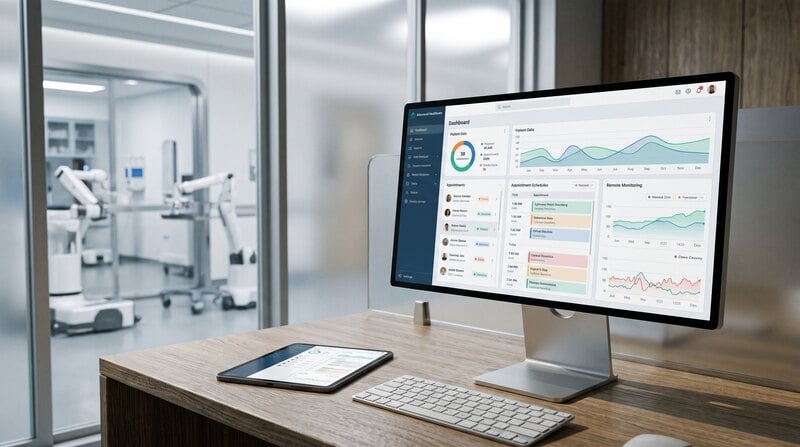
Healthcare is evolving quickly, and that evolution brings a growing dependence on robust software. Purpose-built medical technologies address the unique requirements of clinicians, enhancing patient care quality while also managing operating expenses.
An Overview of Medical Software Systems
Medical software includes a range of purpose-specific applications designed to support different areas of healthcare operations. Whether handling administrative tasks or patient-facing activities, these tools boost efficiency and make core processes easier. Their main benefits include more organized patient record management, stronger communication between team members, and improved adherence to health care regulations.
Medical billing systems are a critical piece of today's health care software. They improve billing accuracy, speed up claim submissions, and reduce the errors that come with manual invoicing. Additionally, many platforms include analytics tools that let practices monitor financial indicators and make smarter choices about revenue cycle management.
Centralized Solutions for Healthcare Providers
Healthcare management platforms act as a centralized suite for improving administrative workflows. By bringing together patient tracking, appointment booking, claims management, and analytics in a single system, these tools let care teams pull up essential information quickly and accurately. That integrated setup helps raise the bar for patient care delivery.
Electronic medical record technology is changing the way patient information is captured and retrieved. Since providers can update medical histories right during appointments, the amount of paperwork drops considerably and collaboration improves across the care team. These tools also support patient safety by making important data—like past diagnoses, allergies, and treatment history—readily available at various locations.
Remote Care and Patient Accessibility
Telemedicine has grown more common in today's digital landscape, driven partly by recent worldwide events. These platforms let clinicians connect with patients off-site through video, phone, or chat. That approach expands access to care for people in remote regions and makes follow-up visits and regular communication simpler.
Full-featured practice management software combines essential functions—appointment scheduling, payment processing, and record keeping—within one interface. By automating routine tasks, these applications free up medical staff to spend more time with patients, which lifts the quality of care. They play a major role in smoothing daily operations and adding to the overall patient experience.
Streamlining Appointment Coordination
Smooth healthcare operations depend on solid scheduling tools. Dedicated appointment software helps manage visit calendars, cut down on wait times, and reduce no-show rates. Modern systems frequently offer convenient features such as self-service online booking and automated appointment reminders, which improve communication and make providers more efficient.
For healthcare facilities, using medical software is no longer optional—it's essential for quality care and efficient operations. Whether handling claims or organizing schedules, these tools allow practitioners to focus on what matters most: improving patient health. And as the field keeps changing, adopting advanced systems will be key to driving better outcomes.