Unlock Game Design Skills: Shape Worlds With Your Imagination
Have you ever found yourself playing a game and imagining ways to make it even more thrilling? If that sounds like you, you've come to the right spot! The world of game design is more exciting and broad-reaching than it's ever been. By picking up game design skills, you can channel your passion for playing into a fulfilling profession crafting games.
A career in gaming isn't just a pipe dream anymore. Game designers are in high demand, earning a median salary of roughly $98,540 in 2023. With steady industry growth projected over the next ten years, the outlook is promising, letting you pursue what you love while securing a steady livelihood.
Mastering game design opens the door to this vibrant field. It gives you the tools to bring your concepts to life as interactive experiences enjoyed by countless players. You'll combine imagination, narrative, and tech to build something uniquely yours.
What You'll Gain from a Game Design Course
Curious about what a game design course has in store? It focuses on understanding what makes games fun, challenging, and unforgettable. You'll make the leap from player to creator by grasping the essential building blocks of game design.
These programs span everything from big-picture ideas to intricate specifics. You'll learn to craft rules that are easy to grasp yet tough to master, weave stories that draw players in, and build characters that stick in their minds. It's a mix of artistic flair and analytical planning.
Exploring Education Paths: Degrees, Certifications, and More
There's no single universal path to becoming a game designer. You can pick a route that fits your lifestyle, budget, and goals. Every option provides different ways to build the skills required to thrive in this industry.
If you want a thorough educational experience and a lasting career, a four-year Bachelor's degree might be the way to go. On the other hand, if your goal is to get job-ready quickly or switch careers, an intensive certification or bootcamp could work well. These programs focus on practical, hands-on learning.
Education has become highly flexible. You can dip your toes in with an online course to test whether game design is right for you. Many certifications even let you apply credits toward a full degree down the line. This gradual method allows you to progress in your education step by step.
Individual Online Courses: Great for honing a particular skill, such as character design, at your own speed.
Certifications & Bootcamps: Short, focused programs aimed at getting you ready for the workforce.
Bachelor's Degrees: All-encompassing programs that cover both theory and practice.
Executive Education: Suited for professionals who want to bring game design into their current work.
Where to Learn: Platforms and Institutions
Nowadays, you can learn game design from any location. Well-known online platforms like Coursera offer courses from leading universities and companies. These programs allow you to gain insights from industry experts without leaving home and provide an organized way to delve into a range of subjects.
There are also specialized schools and training centers that focus exclusively on game development. Some of these institutions collaborate with big names like Unreal Engine or feature instructors who have experience at famous studios such as Blizzard Entertainment. Gaining knowledge from seasoned experts is a huge benefit.
No matter if you opt for a prestigious university or a specialized online course, you'll discover plenty of great choices. The top programs keep close connections with the gaming sector, guaranteeing that you pick up the most current skills that employers are looking for.
Essential Tools for Aspiring Game Designers
Developing a game demands the proper tools. Just as an artist needs brushes, a game designer relies on software to turn their concepts into reality. Throughout your education, you'll get practical experience with the same tools that professionals use every day.
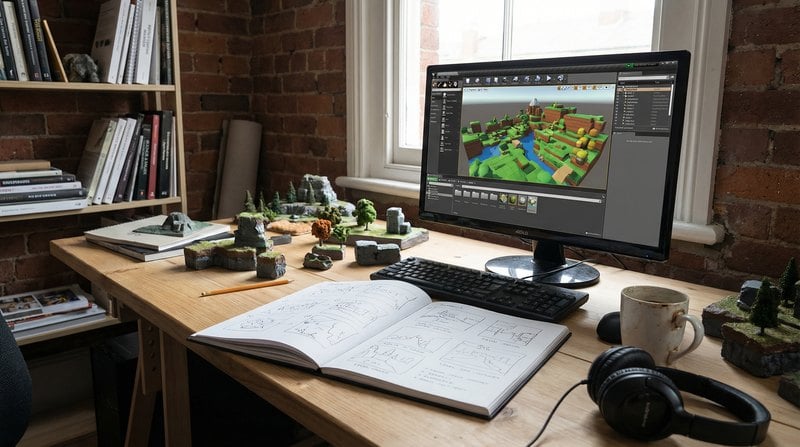
The game engine stands out as the most essential tool. Consider it the foundation and workspace for your game. Engines like Unreal Engine are industry standards, powering everything from indie creations to blockbuster titles. These tools manage the technical details, letting you concentrate on the creative side of game design.
You'll also dive into art and design software. Tools such as Photoshop are vital for crafting characters, environments, and user interfaces. Even if you're a beginner with these programs, a solid game design course will show you how to apply them to bring your ideas to life.
Building Your Portfolio: A Gateway to Opportunities
Finishing a course is a big milestone, yet in game design, what you've built often carries more weight than your degree. A portfolio is a handpicked selection of your finest work, demonstrating your talents to prospective employers.
Consider it your personal highlight reel. It could feature course assignments, indie games you've crafted, or designs made purely for enjoyment. Every project you tackle while studying is a chance to strengthen your portfolio. It's tangible proof of your abilities and imagination.
Your portfolio tells the story of your creative path, showcasing your aesthetic, technical know-how, and love for game design. Begin with modest projects, keep expanding it, and you'll eventually have a strong display of what you can do when it's time to seek employment.
The Importance of Networking in the Gaming World
Game development is frequently a team endeavor, and forging a career is similar. Making industry connections can be just as vital as gaining skills. Networking means building relationships with people who share your passion for gaming.
Quality game design programs nurture this community atmosphere. You'll engage with classmates, share thoughts in discussion boards, work together on team assignments, and get input from others. These bonds might later become your professional network or collaborators.
Your mentors and instructors are also key players in your professional circle. Being seasoned professionals, they can offer useful guidance and open doors to new possibilities. Cultivating these connections is a crucial part of advancing your career.
Choosing the Best Course for Your Goals
Excited to get started? That’s great to hear! The next move is picking the game design program that fits you best. This decision hinges on your personal situation and your goals. Thinking through a few important questions can make the choice clearer.
If you’re not sure, beginning with something small is a smart approach. Consider a free beginner course or a brief workshop to dip your toes into game design without a big commitment. It’s a safe way to test your interest before diving into a larger program. Every seasoned designer started with a single modest step.
Whichever route you take, you’re setting off on an exciting journey. You’ll have the chance to craft immersive universes, tell captivating tales, and delight players worldwide. The adventure awaits—are you ready to take that first leap?