How to Start a Career in 3D Animation Design for Character Creators
Have you ever asked yourself how 3D characters in films, video games, and virtual worlds become so lifelike? Every expressive gesture and realistic motion is the result of skilled 3D animation designers. This profession blends imagination with technical know-how, enabling artists to turn digital models into characters that feel alive.
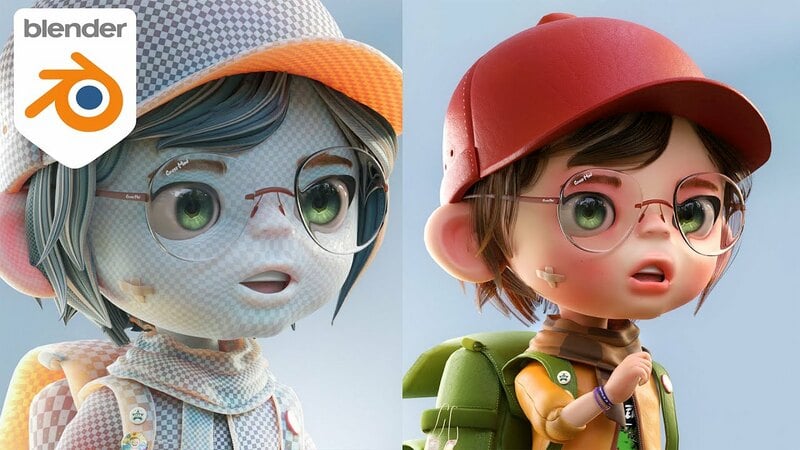
If you've ever aspired to craft characters that convey stories and move like actual people, this guide will point you in the right direction for starting a career in 3D animation design — and for making your passion a livelihood.
1. Understanding What 3D Animation Design Is
3D animation design involves giving digital models movement, emotion, and realism. With specialized software, animators bring characters to life in movies, games, and immersive virtual worlds.
In contrast to 2D animation, 3D animation works with digital models placed in a three-dimensional space. These models are equipped with a rig of bones and joints, and then animated either frame by frame or using motion capture technology. The outcome is natural, expressive movement that resonates with viewers.
A 3D animation designer sits at the intersection of art and technology — using creative vision to design characters and software proficiency to animate them convincingly.
2. Learning the Core Skills You Need
To break into 3D animation design, you'll need a mix of artistic and technical skills. Natural talent is helpful, but proper training and steady practice are what truly set you apart.
Artistic foundations like anatomy, proportions, and motion dynamics are key. They give you insight into how real bodies move, bend, and convey emotion.
On the technical side, get comfortable with industry-standard tools like Blender, Autodesk Maya, and Cinema 4D. These programs let you model characters, apply textures, rig skeletons, and produce fluid animations. A solid grasp of lighting, rendering, and camera movement also boosts the polish of your final work.
3. Mastering 3D Design Tools and Animation Software
Picking the right software can influence your entire pipeline. Many 3D animators begin with Blender, a free but professional-level tool that combines modeling, rigging, sculpting, and animation in a single workspace.
Autodesk Maya is a staple in film and game studios, prized for its advanced rigging and rendering capabilities. ZBrush is dedicated to character sculpting, letting artists craft highly detailed, textured models.
Don't just master individual tools — learn to use them together. You might sculpt in ZBrush, rig in Maya, and render in Blender or Unreal Engine, with each program contributing to the process of bringing your digital characters to life.
4. Building Your Character Creation Portfolio
Think of your portfolio as your visual résumé — it's the first thing studios or clients check when reviewing your work. It demonstrates your skill level, creativity, and attention to detail.
Begin by crafting a handful of original 3D characters. Give them distinct personalities and backstories — this shows your grasp of visual storytelling. Add turntables (360-degree renders), walk cycles, and brief animation clips that showcase your talent for infusing emotion into motion.
Keep your portfolio straightforward yet refined. Three to five solid projects outweigh a pile of unfinished ones. Share your work on platforms like ArtStation, Behance, or Sketchfab to gain visibility within the 3D community.
5. Learning from the Industry and Staying Updated
The 3D animation field evolves rapidly. New design tools, rendering engines, and AI-powered animation systems emerge every year. Staying current helps you remain competitive and flexible.
Keep tabs on animation studios, character designers, and 3D artists across sites like YouTube, X (Twitter), and LinkedIn. A lot of them post workflow breakdowns and behind-the-scenes tutorials.
Sign up for online learning platforms including CG Spectrum, Animation Mentor, Udemy, or Coursera. These programs offer structured lessons and direct feedback from industry pros. Ongoing learning not only polishes your abilities but also helps you develop a distinctive artistic style.
6. Finding Your First Opportunities
Kicking off your career often means taking on small freelance gigs or internships. Check job listings on sites like Upwork, Fiverr, and CGTrader. Plenty of indie game studios and content creators are on the lookout for skilled animators for short-term work.
Don't hesitate to apply even if you're a beginner — hands-on experience counts just as much as formal education. Every project you finish boosts your credibility and self-assurance.
Networking is a big deal too. Get involved in online 3D design groups or attend animation events. Connecting with fellow creators can lead to unexpected opportunities and introduce you to potential partners or employers.
7. Exploring Career Paths in 3D Animation Design
A job in 3D animation design can lead you down many paths. You might work in movies, TV, video games, ads, or virtual production. Each industry uses animation in its own way.
Character animators concentrate on motion and performance. 3D modelers build intricate characters and worlds. Rigging artists create the digital skeletons that let characters move realistically. Other roles focus on texturing, lighting, or visual effects.
You could begin as a generalist, picking up all aspects of 3D design, and then narrow down to what you like most. The field values flexibility — knowing several stages of the animation pipeline makes you a better professional.
8. The Future of Character Animation Design
The outlook for 3D animation is more exciting than ever. With AI, real-time rendering, and motion capture getting better, animators can produce more lifelike and expressive characters quicker than in the past.
Real-time tools like Unreal Engine let creators animate on the fly. Rather than waiting for long renders, you see results immediately — which makes trying new things easier and storytelling more engaging.
Over the next few years, the lines separating animation, gaming, and virtual reality will keep fading. 3D character creators will have a major impact on digital entertainment, fashion, and even education.
Conclusion
Building a career in 3D animation design demands time, patience, and a creative spark. Yet if you enjoy expressing stories through motion and want to bring digital characters to life, this field offers endless opportunities.
Master the software, grasp the core principles, and create a portfolio that showcases your own style. Engage with the community, keep learning, and keep experimenting without limits.
The 3D animation landscape is growing — and there's space for every fresh perspective. With hard work and creativity, you can transform your passion for character design into a fulfilling, future-proof career.