Beginner's Guide to Steal a Brainrot: Master Trading & Quick Flips
Ready to swap chaos for strategy and turn memes into real profits? Steal a Brainrot is the perfect playground for it. Getting a handle on trading and scalping is what separates casual players from those building a serious empire of rare Brainrots.
1. What exactly is Steal a Brainrot
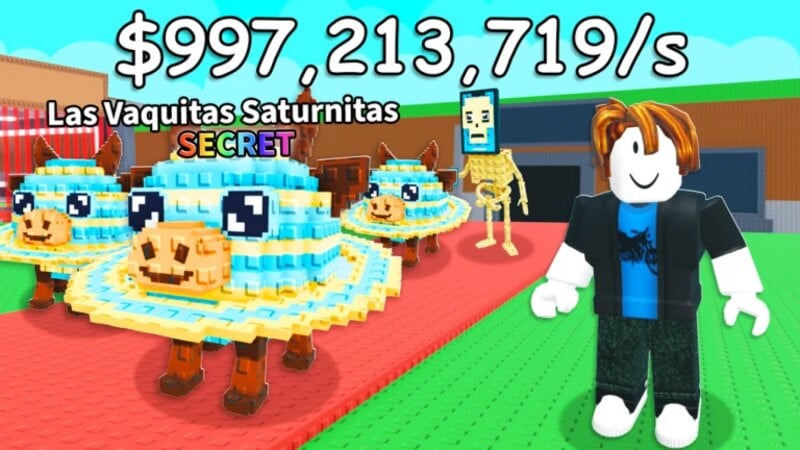
At its heart, Steal a Brainrot blends a collecting sim with a competitive trading game. You build up your base, collect characters called Brainrots, and watch the in-game income roll in over time. The more valuable your Brainrots, the more passive cash you earn every second.
The catch is right in the name — you can steal Brainrots from other players. That creates a constant tug-of-war between defense, strategy, and seizing opportunities. You can either guard your prized characters or go on raids to grow your collection.
Every Brainrot comes with a rarity tier — Common, Rare, Epic, Legendary, Mythic, Brainrot God, or Secret. Higher rarity means better passive income and stronger trade value. These rarity levels anchor the in-game economy and decide which Brainrots become hot items in trading and scalping.
2. What Trading and Scalping Mean in the Game
Trading in Steal a Brainrot lets you swap characters with other players. You can trade to round out your collection, land rarer Brainrots, or simply cash in on market price gaps.
Scalping, though, is a bolder trading approach. It means snapping up undervalued Brainrots quickly and flipping them at higher prices. You're basically moving assets for quick gains.
Say you spot a Legendary Brainrot listed below its usual market value — you can grab it right away and relist it at a more standard price. Good scalping comes down to timing, staying alert, and reading player demand.
While trading leans toward long-term collection growth, scalping goes for fast profit. Both paths, though, depend on understanding the game's ever-shifting economy.
3. Navigating the Game Interface
Before jumping into trading or scalping, you need to know your way around the Steal a Brainrot interface. The layout might look messy at first, but every section has a job that helps you collect and manage Brainrots better.
1. The Base Area
Your base is your home turf — the spot where all your Brainrots hang out. Here, they generate passive income over time. You can grow and customize your base as you progress, but the real priority is defending against other players trying to steal your Brainrots. Keep an eye on your layout so high-value characters stay well-protected.
2. The Conveyor Belt
The conveyor belt is where fresh Brainrots show up for purchase. Characters roll along the belt, and you can buy them directly with in-game currency. Each Brainrot that passes shows its name, rarity color, and cost. Higher-rarity Brainrots pop up less often, so stay sharp and move fast when something valuable rolls by.
3. The Marketplace Tab
The marketplace is the core of the trading system. You can reach it from the main menu or interface icons. Inside, you'll find Brainrots listed by other players, with details like rarity, income rate, and price. This is where traders study supply, demand, and value trends. Use sorting filters to compare deals quickly and catch underpriced options before anyone else does.
4. The Inventory Menu
Your inventory holds every Brainrot you own. It lets you manage, sell, or trade them directly. Each entry shows rarity, income generation, and any special traits. Keeping your inventory tidy helps you spot duplicates and decide which characters are best for trading or upgrading.
5. The Defense Panel
Since stealing is a core mechanic of Steal a Brainrot, defending your collection is a must. The defense panel lets you upgrade your base's security features, like barriers, alarms, or traps. Higher defense levels make it tougher for other players to swipe your most valuable Brainrots, keeping your progress safe.
3. How to Access and Use the Marketplace
The Steal a Brainrot marketplace is the main hub for all trading and reselling action. Getting there is simple: open the in-game menu and head to the trading or market tab.
Once you're in, you'll see listings of Brainrots up for sale by other players. Each entry shows the Brainrot's name, rarity, income rate, and price. That info helps you gauge its market value.
Keep a close eye on rarity icons and income stats—a Rare Brainrot earning more per second than others in its tier might be a steal. Over time, you'll start spotting fair prices and recognizing deals faster.
The marketplace runs on player-driven supply and demand. When a certain Brainrot gets popular or scarce, its price climbs. Tracking those shifts gives you a big edge in both trading and scalping.
4. Step-by-Step Guide to Successful Scalping
If you want to start profiting from flips, here's a straightforward process that works:
Step 1: Monitor the marketplace regularly.
Check prices throughout the day, especially during busy times when players list Brainrots quickly.
Step 2: Identify undervalued Brainrots.
Compare listings to average market prices. If you see a Rare or Epic Brainrot priced below normal, snag it fast.
Step 3: Buy quickly before competitors do.
Speed matters—scalping depends on timing. The quicker you act, the better your profit odds.
Step 4: Relist for profit.
Once bought, relist your Brainrot at a sensible markup. For example, if you grab an Epic Brainrot for 3,000 coins and others sell it for 4,500, listing at 4,200 gets you a fast sale with a solid gain.
Step 5: Track your profit margin.
Keep notes on what you buy and sell. Aim for steady, small profits instead of rare big wins—consistent flips add up fast.
With practice, you'll pick up on pricing patterns and player behavior, letting you predict demand before others catch on.
5. The Trader Feature and Its Benefits
The Trader (which took over for the old Dealer system) gives you a more predictable way to swap Brainrots. Instead of buying from random global stock, you can now trade Brainrots you already own for ones you want.
Each Trader offer shows the Brainrots needed for the exchange and the one you'll get in return. Offers refresh every two hours, so there are always fresh chances to act.
The big plus of using the Trader is predictability. It cuts down on the chaos of competing for random deals and lets you plan upgrades more carefully. If you've got duplicates or low-value Brainrots, you can trade them up without spending extra coins.
This system also helps broaden your collection and steadily boost your base's income generation.
6. Common Mistakes and How to Avoid Them
Even seasoned traders slip up. Here are key mistakes to steer clear of:
-
Overpaying due to hype: Always compare listings before buying. Prices can spike temporarily after updates or new releases.
-
Ignoring income stats: Rarity alone doesn't set value. A lower-tier Brainrot with high income can beat an overpriced one.
-
Holding too many low-value Brainrots: Focus on quality over quantity. Sell or trade weak assets to reinvest in higher tiers.
-
Neglecting defense: Valuable Brainrots can be stolen. Boost your base security to protect your profits.
-
Skipping research: Stay current on community trends and patch changes—these often shift Brainrot prices.
Patience and observation are your best tools. Every smart move builds long-term success in the game's ever-changing market.
Conclusion
Trading and scalping turn Steal a Brainrot from a simple collecting game into a lively economic challenge. By grasping rarity, watching the market, and playing strategically, you can turn your collection into a reliable income stream and rise among successful traders. Every Brainrot you trade or flip is more than just a character—it's a step toward mastering the game's wild economy. Start small, think smart, and let your trading instincts guide you to success.