What You Should Know Before You Buy Office Furniture
Have you ever stepped into an office and immediately sensed whether the space felt energizing or uneasy? A lot of that depends on the furniture. Picking the right pieces isn't just about appearance — it shapes productivity, comfort, and the general mood of the workplace. Whether you're outfitting a brand-new company or refreshing an existing office, knowing what to consider before making a purchase is key.
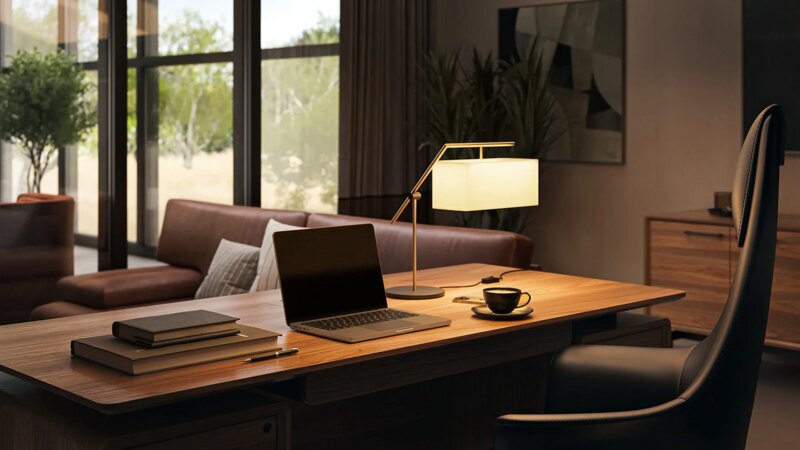
Let's look at how to build a workspace that is both attractive and practical, so every item you buy supports your team's comfort and effectiveness.
Understanding Office Furniture Materials
Before you buy, take time to learn about the materials used in desks, chairs, and storage units. Wood, metal, and composite options each offer different benefits. Solid wood provides durability and a high-end feel, while laminate surfaces give you a budget-friendly, scratch-resistant choice. Metal frames are ideal for a modern industrial look and offer dependable stability.
For seating, weigh fabric against leather. Fabric chairs tend to be breathable and more affordable, while leather looks professional and is simpler to wipe clean. Think about how the furniture will actually be used — executive spaces might call for premium finishes, while shared areas need materials that are tough and low-maintenance.
In the end, choosing materials that combine appearance, durability, and ease of care helps make sure your investment lasts while keeping the overall look consistent.
Prioritizing Ergonomics for Better Productivity
Ergonomics is more than a trendy term — it plays a central role in workplace health. Well-designed ergonomic office chairs and desks ease fatigue, improve posture, and help people stay focused during the day. Chairs with adjustable lumbar support, sit-stand desks, and monitor arms can make a noticeable difference in both comfort and output.
Skipping ergonomics often leads to back pain and long-term strain injuries. Before buying, check whether the chair supports your spine's natural curve and whether the desk gives your legs enough room. Even small additions like footrests or wrist rests can support a healthier workstation.
Treating ergonomic furniture as an investment rather than an expense is a smart way to boost efficiency and keep employees satisfied over time.
Balancing Style and Functionality
It's easy to be drawn to stylish designs, but your office furniture needs to serve a purpose as well as look good. A sleek desk may be visually appealing yet lack storage or cable management. Similarly, large cabinets can make a small office feel crowded.
Begin by defining the feel of your office — modern minimalism, a warm collaborative space, or polished corporate style. Then choose pieces that match that vision without losing usability. Neutral colors and modular furniture offer flexibility as your needs change.
Strong design comes down to balance — making sure every chair, desk, and table looks great while also supporting workflow and comfort.
Setting a Realistic Budget
Before you start shopping, establish a clear office furniture budget that covers both current requirements and future needs. Prioritize the essentials first — desks, comfortable chairs, and meeting tables — before adding decorative or optional items.
Compare prices from different suppliers and keep an eye out for bulk discounts or package deals. Many manufacturers offer special pricing for startups or small businesses, so you can save money without lowering your standards. Always review warranty coverage and after-sales service, since those can reduce long-term costs.
With careful planning, you can equip your whole office without overspending and create a space that feels both upscale and budget-conscious.
Space Planning and Layout Design
Even excellent furniture won't work well if the layout is inefficient. Before buying anything, map out your office using simple design software or even hand-drawn sketches. Account for walking paths, group work zones, and quiet areas. A thoughtful layout improves accessibility, safety, and the use of natural light.
Open-plan offices often work best with modular furniture that can be rearranged as teams grow. In contrast, private offices may need more tailored desks and storage. Consider how your furniture choices shape the office atmosphere — do they encourage collaboration or deep focus?
With strategic planning, you can make your workspace more flexible and inviting while reducing clutter and supporting better workflow.
Eco-Friendly and Sustainable Choices
More offices are making sustainability part of their design approach. Choosing eco-friendly furniture made from recycled materials or certified wood can lower environmental impact while also boosting your brand's reputation.
Look for labels like FSC (Forest Stewardship Council) or GREENGUARD to confirm that materials meet environmental guidelines. Also, choose durable, repairable furniture over disposable options that are likely to end up in a landfill.
Buying sustainable pieces is not just an ethical decision — it also appeals to clients and employees who care about environmental responsibility and reinforces your company's commitment to a more sustainable future.
Final Thoughts: Invest Wisely, Work Comfortably
Buying office furniture is more than a simple purchase — it's an investment in your company's comfort, culture, and overall success. By paying attention to materials, ergonomics, layout, and sustainability, you can build a space that supports both well-being and productivity.
Before making any purchases, take time to plan, compare, and test options. The decisions you make now will help create a more efficient and inspiring workplace down the road.
With a thoughtfully designed office, your business won't simply appear professional — it will feel like a place where great ideas can flourish.