Getting Started in 3D Design: Step-by-Step Learning Guide for New Creators
Ever found yourself looking at a 3D model inside a game or animation and asking how it came to life? The field of 3D design blends artistry with technology, making it possible to turn your concepts into digital objects and animated scenes.
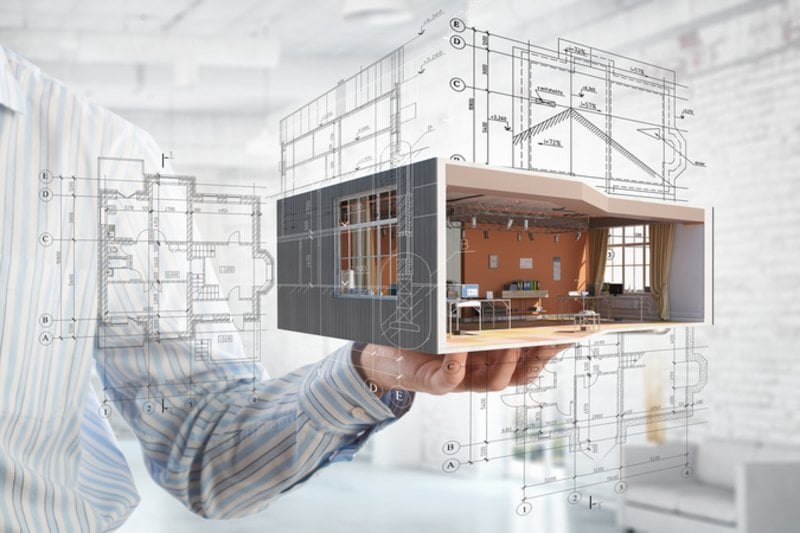
Thanks to the growth of online courses and accessible software, even total beginners can pick up the essentials of modeling, texturing, and rendering. This guide covers the most widely used 3D design programs, highly rated courses for newcomers, and practical learning strategies to help you improve one step at a time.
What Is 3D Design and Why It Matters
At its heart, 3D design involves building digital objects with depth, height, and width — something traditional 2D images lack. These creations show up across many sectors: gaming, architecture, animation, product development, and even medicine. Every 3D object begins as a basic shape and gradually becomes a detailed, realistic model.
The relevance of 3D design keeps expanding as more industries turn to digital visualization. Architects depend on it to showcase building plans, game developers use it to build immersive worlds, and manufacturers rely on it to test new product ideas quickly.
For newcomers, learning 3D design can unlock career paths in a wide range of fields while also sharpening both creative and technical abilities. It’s an area where imagination meets technology — and with proper guidance, both can be developed.
Essential Tools for Beginners
Picking the right 3D software can make your learning curve much smoother and more enjoyable. Well-known options such as Blender, SketchUp, and Tinkercad come with free or budget-friendly plans that suit beginners well. Blender stands out because it’s both powerful and open-source, offering modeling, sculpting, and animation in a single package.
For people focused on architecture, SketchUp offers straightforward modeling and visualization features. Tinkercad, built by Autodesk, runs in the browser and works wonderfully for newcomers — it covers the basics of 3D modeling through engaging, interactive exercises.
Once you gain confidence, you can move on to advanced tools like Maya, 3ds Max, or Cinema 4D. Still, getting comfortable with one beginner-friendly program first gives you a strong base for future growth.
Top Online Courses to Learn 3D Design
Online education platforms have made 3D design training available to nearly anyone. Sites like Coursera, Udemy, and Skillshare offer thorough beginner programs that range from fundamental modeling techniques to complete animation tasks.
For a more organized approach, Coursera’s “Introduction to 3D Modeling” from Autodesk is an excellent place to begin. Udemy features shorter, project-focused lessons that appeal to hands-on learners, while Skillshare provides creative classes centered on design principles and efficient workflows.
When selecting a course, think about how you learn best — whether that means following structured instruction or exploring at your own pace. Practicing consistently after every lesson is the surest way to build strong 3D design fundamentals quickly.
Step-by-Step Learning Path
Developing your 3D skills requires time and a clear plan. Start with basic geometry, then progress to modeling and creating textures. Once you’re comfortable there, focus on rendering techniques that make your work look lifelike.
A practical learning path could follow this pattern: 1️⃣ Learn basic modeling tools → 2️⃣ Practice with small projects → 3️⃣ Experiment with lighting and shading → 4️⃣ Build a complete 3D scene or character.
Don’t rush through the process. 3D design calls for patience and regular repetition. The more projects you finish, the stronger your grasp of form, proportion, and composition will become.
Applying Your 3D Skills in Real Projects
After you’ve learned the fundamentals, it’s time to put them to work. Plenty of beginners start by entering 3D design challenges or adding to open-source projects to get real experience. These hands-on opportunities help build your portfolio while letting you collaborate with other artists.
Freelancing is another solid route — sites like Fiverr and Upwork regularly feature openings for 3D modelers and visualization experts. Whether you’re developing game assets or designing models for 3D printing, real-world assignments teach you how to meet deadlines and work efficiently.
Putting skills into practice turns learning into experience — and that’s what moves a hobby toward a possible career.
Common Mistakes to Avoid as a Beginner
Every new designer stumbles now and then, but spotting issues early can speed up your progress. A frequent challenge is trying to make models too complex right away. Keep things simple — focus on form before adding detail.
Another typical mistake is overlooking topology and mesh structure. Clean modeling habits make animation and rendering run much smoother later on. Beginners also often skip lighting and texturing lessons, even though both are critical for achieving realism.
Finally, avoid comparing your progress to seasoned professionals. Everyone begins somewhere, and consistency matters more than speed. Be proud of every completed project — each one moves you forward on your creative path.
Building a Career in 3D Design
Demand for 3D designers is expanding quickly in entertainment, architecture, and tech. As companies adopt AR, VR, and 3D printing, professionals with these abilities are becoming increasingly valuable.
Start by sharing your work online — platforms like ArtStation, Behance, and Sketchfab are great for creating a portfolio. Connecting with other designers or participating in online communities can also open doors to freelance assignments or full-time positions.
With commitment and the right attitude, a beginner can grow into a skilled professional within just a few years. The world of 3D design rewards creativity, determination, and fresh thinking — so take that first step and begin creating today.
Final Thoughts
Learning 3D design unlocks countless creative and career opportunities. From basic shapes to detailed characters, every project deepens your understanding of how digital worlds take shape. With the right tools, courses, and steady practice, even absolute beginners can grow into confident designers.
Whether your aim is to create artwork, build games, or craft digital products, now is a great time to begin your 3D design journey. Each model you create brings you closer to mastering the craft — and turning imagination into something real.
Start small, keep exploring, and let your creativity guide you toward your first 3D masterpiece.