Building Your Future in 3D Animation: A Beginner's Guide for Character Designers
Imagine a blank digital canvas slowly transforming into a fully animated hero, complete with emotions, voice, and movement. That's the magic of 3D animation design. Every movement, frame, and texture captures the vision of a dedicated character creator.
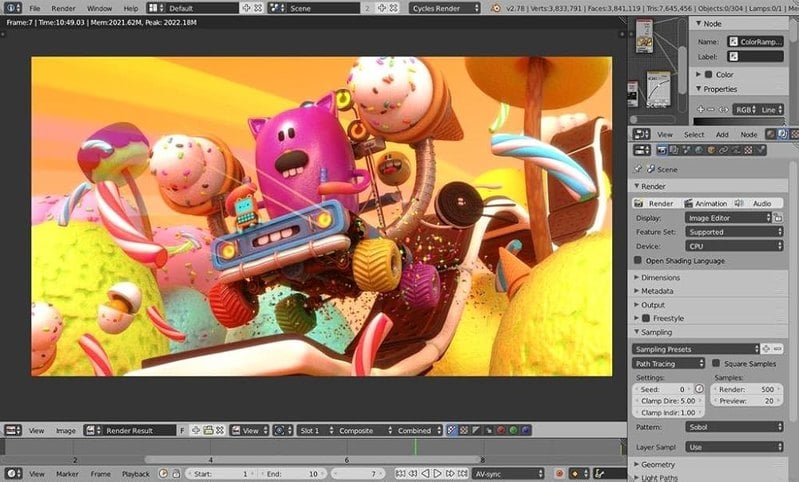
If you've ever dreamed of turning your own ideas into living animation, there's no better time to start. This guide walks you through the essential steps, tools, and creative habits that can set you on the path to a fulfilling career in 3D animation.
1. Understanding What 3D Animation Design Really Means
3D animation isn't just about getting characters to move — it's about building believable worlds where they feel at home. The craft includes modeling, rigging, texturing, lighting, and rendering, each blending artistic flair with technical know-how.
A 3D animator doesn't simply design motion; they shape emotion. Every gesture, blink, and reaction contributes to a story. Grasping how form, timing, and physics interact is what elevates a basic animation into something genuinely lifelike.
Before you dive in, it pays to study the real world — body mechanics, facial cues, and how weight shifts. Animation is essentially the art of observation translated into digital form.
2. Why 3D Animation Is a Great Career Path
The demand for 3D animation designers is on the rise. Movies, games, advertising, and even social media content all lean heavily on animated characters. Streaming platforms are churning out more animated projects than ever, while the growth of VR and AR has opened fresh doors for digital artists.
Beyond entertainment, fields like architecture, education, and product design also bring in animators to show ideas in motion. With so many career routes available, you can zero in on what excites you most — cinematic storytelling, stylized gaming, or realistic simulations.
Above all, it's a career rooted in creativity. You're not just operating software — you're breathing life into imagination.
3. Learning the Core Skills You'll Need
Where should a beginner start? With the basics of art, design, and storytelling. A skilled animator understands shape, composition, rhythm, and movement long before opening any software.
Here are a few key skill areas to focus on:
-
Drawing and anatomy: Builds your understanding of proportion and motion.
-
3D modeling: The groundwork for creating characters and environments.
-
Rigging and skinning: Setting up the internal "skeleton" that drives character movement.
-
Lighting and rendering: Shaping mood and realism.
-
Timing and acting: Making characters feel alive through natural motion.
Many of these skills connect with filmmaking, photography, and theater — so exploring other art forms can only strengthen your animation work.
4. Choosing the Right Animation Tools
Which software should you pick up first? It depends on your goals, but some tools are industry staples.
-
Blender: Free, open-source, and ideal for beginners looking for an all-in-one solution.
-
Autodesk Maya: A professional favorite widely used in studios for character work.
-
Cinema 4D: Great for motion graphics and stylized animation.
-
ZBrush: Perfect for sculpting highly detailed character models.
-
Unreal Engine and Unity: Excellent for real-time rendering and interactive animation.
Start small — mastering one tool inside and out beats dabbling in many. Once you're confident, you can expand to others based on your creative path.
5. Building Your First Character Project
Nothing teaches faster than hands-on work. Kick off with a personal project — design a simple character and animate a short scene. It could be a walk cycle, a facial expression, or a quick emotional beat.
Follow this basic workflow:
-
Concept and sketch: Draw or outline your character's look and personality.
-
Modeling: Build the character in 3D with your chosen software.
-
Rigging: Add bones and controls to enable movement.
-
Animation: Bring your character to life using keyframes or motion capture.
-
Lighting and rendering: Polish your scene with textures and cinematic lighting.
Track your process and save every version. The mistakes you make early on become valuable lessons for refining your work later.
6. Creating a Strong Portfolio
A solid portfolio is your key to landing any animation job. Employers want to see your range — how you handle motion, timing, and expression.
Prioritize quality over quantity. A one-minute demo reel that highlights personality and skill can leave a bigger impression than a pile of unfinished clips.
Mix in character animations, walk cycles, facial tests, and storytelling moments. Add short notes or storyboards if helpful. Lead with your strongest work — recruiters often decide within seconds whether to keep watching.
You can showcase your portfolio on platforms like ArtStation, Behance, or a personal website to document your animation journey.
7. Gaining Real Experience and Networking
Breaking into animation gets easier when you plug into the community. Join online groups, take part in animation challenges, and share your progress on platforms like X (Twitter) or LinkedIn. Feedback from fellow artists speeds up your growth.
Internships, indie projects, or freelance gigs can also give you hands-on experience. Even small collaborations teach you how pipelines work — from concept to final delivery.
Networking matters just as much as technical skill. Many creative jobs come through referrals, not cold applications. Stay active, supportive, and curious — opportunities tend to show up where passion meets visibility.
8. The Future of Character Animation
The future of 3D character design is moving fast. Artificial intelligence, motion capture, and procedural animation are reshaping how animators do their work.
AI tools can handle lip-syncing, body motion, and scene rendering, giving creators more room to focus on storytelling. Real-time rendering engines like Unreal Engine 5 let you preview cinematic-quality scenes on the spot.
As VR and AR spaces evolve, character creators will design interactive, living avatars that react to user emotions and gestures. It's a future where creativity and technology truly converge — and where animators shape how we experience digital life.
Conclusion
Building a career in 3D animation design is a journey of creativity, patience, and constant learning. You'll experiment, stumble, improve, and eventually watch your ideas move on screen exactly as you pictured them.
Start with curiosity. Learn the essentials, take on small projects, and share your work without hesitation. Every animation you create — no matter how basic — moves you closer to mastering the art of storytelling through motion.
With the right mindset and persistence, you won't just design characters — you'll give them life