Finding a Reliable Roof Repair Contractor for Your Home
In terms of home upkeep, the roof ranks among the most critical components of a house. It shields everything beneath it, from furniture to the building's frame. Even minor roof problems can turn into significant damage when left unattended. This guide covers the essentials in a straightforward, practical manner so you can make smarter choices and steer clear of frequent pitfalls.
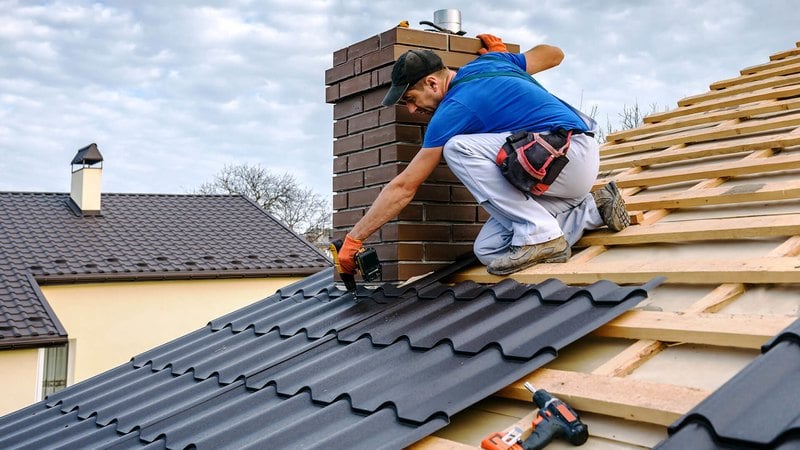
Understanding Roofing Services
Before you hire anyone, it's useful to understand the different roofing services available. Not every roof problem calls for the same fix, and a reliable contractor should be able to walk you through the options.
A roof inspection is typically the first step. During an inspection, a professional examines the roof surface, flashing, gutters, and trouble spots such as chimneys and vents. These checks help identify minor issues before they become costly repairs.
Roof repair work focuses on specific problems. That may mean sealing leaks, replacing broken shingles, repairing flashing, or addressing small structural weak points. Repairs often become necessary after storms or as the roof gets older.
Roof replacement is a much bigger project. It involves tearing off the existing roof and putting in a new one. This option is generally needed when the roof has reached the end of its life or sustained damage too widespread for patching.
Routine roof maintenance covers the small tasks that keep the roof in solid condition. Clearing gutters, checking for loose shingles, and scheduling regular inspections all contribute to a longer roof lifespan.
Understanding these services makes it easier to talk with contractors and know exactly what you're paying for.
How to Choose the Right Roof Repair Contractor
Selecting the right contractor is a critical part of any roof repair. The wrong choice can produce poor workmanship, wasted money, or additional damage.
Begin by researching local options. Look for companies that specialize in roofing rather than general handymen. Online reviews can show you what earlier clients experienced, and it's smart to pay attention to patterns rather than a single comment.
Licensing and insurance are necessities. A license confirms that the contractor meets local standards, while insurance protects you if anything goes wrong on the job. Always request proof of both before any agreement.
Experience counts as well. Contractors with years in the business tend to know more about different roof types and the weather issues specific to the area. They're also more likely to back up their work.
Most roofing companies offer free estimates, so take advantage of that. Get at least two or three quotes and compare them closely. The lowest price isn't always the best deal; look at what's included, the materials specified, and the projected timeline.
References can provide added reassurance. A dependable contractor should be willing to share contacts from past clients. Speaking with them offers insight into how the contractor communicates and deals with challenges.
Fixing Roof Issues: What to Look For
Recognizing the early signs of roof trouble lets you act quickly and keep repair costs down.
Leaks are among the most frequent issues. Water stains on ceilings or walls often indicate a roof leak. Even a small leak can result in mold, ruined insulation, and structural damage if it goes untreated.
Missing or damaged shingles are another warning signal. Shingles shield the roof from rain and wind. When they break, loosen, or disappear, water can slip into the roof system easily.
Granules in the gutters point to older shingles. As shingles deteriorate, they shed these granules, weakening their defense against sun and moisture.
Flashing around chimneys, vents, or skylights can also be a source of leaks. Flashing seals the gaps where the roof meets other parts of the structure, but it can crack, rust, or come loose over time.
Dealing with these issues early means simpler, cheaper repairs.
Common Mistakes to Avoid When Hiring a Roof Repair Contractor
Many homeowners end up with problems because of avoidable errors made while hiring a contractor.
One typical mistake is making the choice based strictly on price. Very low bids can mean inferior materials or rushed labor. Roofing done well requires good workmanship and quality materials.
Another error is failing to get everything in writing. A solid contract should spell out the scope of the work, materials, costs, and schedule. Verbal promises aren't enough.
Some people skip checking credentials because the contractor comes across as friendly or confident. That can cause serious trouble later. Always verify licenses and insurance.
Paying the entire amount upfront is risky too. Most trustworthy contractors request a deposit and collect the rest after the job is done and checked.
Stay away from contractors who push you to decide quickly or insist your roof must be replaced without showing clear evidence.
Regular Roof Maintenance
Routine maintenance is one of the best ways to steer clear of major repairs and add years to your roof's lifespan.
Cleaning the gutters is simple but essential. When gutters fill with leaves and debris, water can back up and harm the roof edge or find its way into the structure.
Scheduled inspections catch issues before they escalate. An annual checkup, or one after heavy storms, can reveal damage that isn't obvious from the ground.
Trimming overhanging branches helps protect the roof from scratches, falling limbs, and debris buildup. During severe weather, branches can damage shingles or flashing.
Replace missing or broken shingles quickly so water doesn't get into the roof system. Handling small problems early tends to save money over the long haul.
Maintenance may feel like extra effort, but it helps avoid emergency repairs and extends the roof's life.
Understanding Estimates and Contracts
Roof repair estimates can differ widely, so it's important to know what they actually cover.
A solid estimate should list labor, materials, disposal fees, and any extra charges. It should also state the type of materials and the expected duration of the project.
A contract should clearly spell out the work to be done, including start and finish dates, payment terms, warranties, and who handles cleanup. Reading it carefully prevents misunderstandings later.
If anything in the estimate or contract isn't clear, ask questions before signing. A reliable contractor will be happy to explain the details in straightforward language.
Long-Term Roof Care and Peace of Mind
Roof care isn't a one-time job. It's an ongoing effort that includes inspections, maintenance, and repairs made at the right time.
By learning about roofing services, picking a reliable contractor, staying alert to warning signs, and keeping up with maintenance, you can avoid many common headaches.
Early action protects your home, cuts costs, and lowers stress. A properly maintained roof offers comfort and safety for years. Spending time on roof care now helps prevent bigger problems in the future.