Everything You Should Know About Remote Access Control Systems
Ever thought about how modern buildings pull off being both secure and flexible simultaneously? From offices to warehouses and even smart homes, remote access control systems are changing the game when it comes to protecting spaces. They let administrators monitor and manage entry permissions from anywhere—no more depending on old-school keys or manual security checks.
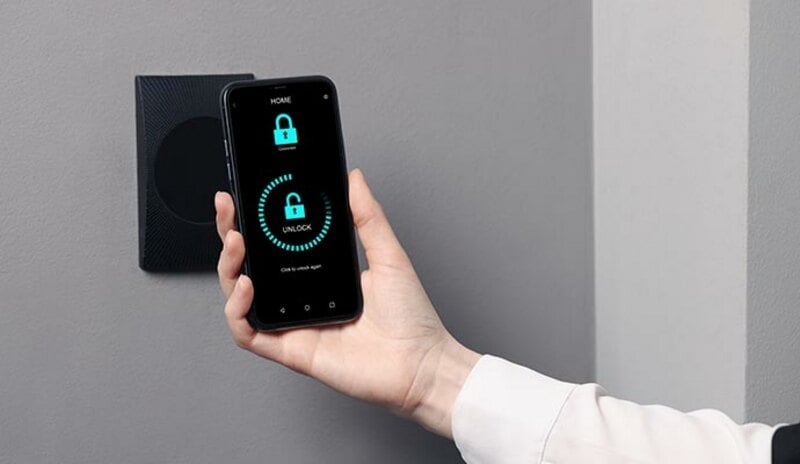
Let's dig into why remote access control systems have become a key part of modern security and daily operations.
What Are Remote Access Control Systems?
Remote access control systems are digital platforms that let users manage building entry and permissions from any location. Instead of counting on physical keys or on-site monitoring, these systems use smart cards, mobile credentials, or biometrics to verify users. Everything runs through a central hub, so you can instantly grant or revoke access via a secure online dashboard.
These systems link doors, gates, and entry points through an internet-based network. Administrators can watch live activity, get alerts about unauthorized attempts, and even lock or unlock doors remotely. This kind of control is especially useful for organizations with multiple branches or high-security zones.
Unlike traditional locks, remote access systems also keep detailed records of every access event. That data can help spot unusual patterns, stop breaches, and boost compliance with security standards—all while cutting down on manual oversight.
Main Benefits of Remote Access Control
A key perk of remote access control systems is convenience. Instead of carrying physical keys, authorized users can get into buildings with smartphones, ID cards, or biometric scans. When an employee departs, their access can be cut off right away—no need to swap out locks or round up badges.
Real-time monitoring is another significant plus. Security teams can keep an eye on live activity, get alerts for unauthorized entries, and respond quickly when necessary. Cloud-based dashboards let you handle permissions for multiple locations from a single, central view.
These systems also boost efficiency and accountability. Automating entry management saves time and cuts down on mistakes. Detailed logs of user activity can support audits, compliance efforts, and operational reviews.
How Remote Access Improves Business Operations
Remote access tech isn't just about security—it also streamlines day-to-day operations. Companies can leverage access data to see how facilities are used and fine-tune energy usage. For instance, lighting or HVAC systems can automatically respond when people enter or leave certain areas.
For teams spread across different locations, remote control systems ease logistical hurdles. Administrators can give contractors or temporary staff limited access without being on site. This flexibility simplifies managing shared spaces and short-term projects securely.
In addition, automated systems cut down on administrative tasks. Rather than dealing with paper logs or manually keeping track of keys, all information is stored digitally. This results in a smoother workflow for both security teams and regular employees.
Key Technologies Shaping Remote Access Control Systems
Contemporary remote access systems depend on a few core technologies that make them quicker, more secure, and more intelligent. Cloud computing stands out as a major factor, enabling centralized management and data storage that can be accessed from any location. Cloud-based solutions are flexible, allowing them to expand with your company without the need for costly infrastructure upgrades.
Biometric authentication is another essential element. Using fingerprints, facial recognition, or iris scans provides a level of personalized security that is extremely hard to replicate. When paired with encrypted communication, it guarantees that only authorized people can enter restricted zones.
AI and IoT (Internet of Things) technologies are also changing the landscape of access control. AI assists in spotting unusual patterns or suspicious entry attempts, while IoT devices link doors, sensors, and cameras for smooth integration. Collectively, they form a responsive system that adjusts in real time to security requirements.
Integrating Remote Access with Other Systems
To get the most out of them, remote access control systems often work alongside other technologies such as video surveillance, fire alarms, and time-tracking systems. This integrated strategy lets all building management functions operate together on a single platform, boosting both security and ease of use.
For instance, when a camera picks up motion outside business hours, the system can instantly notify security personnel and lock adjacent doors temporarily. In the same way, staff can rely on one digital credential for both attendance tracking and building entry, making daily routines easier.
Such integrations position remote access systems as a key component of smart building operations, offering organizations enhanced visibility and command over their whole facility.
Tips for Implementing Remote Access Control Systems
Prior to implementing a remote access control system, begin by evaluating your organization's unique requirements. Think about the number of entry points, the necessary security level, and the number of users who will require access. Having a clear picture of your existing infrastructure helps you pick a system that fits your objectives without extra expenses.
Then, concentrate on **integration and scalability**. Choose a solution that works smoothly with your current infrastructure—like HR systems, cameras, or alarm networks—and one that can grow as your business expands. Cloud-based platforms are great for flexibility and remote administration.
Last, emphasize **training and policy creation**. Even the most sophisticated technology can underperform if users lack proper training. Set clear access rules, inform employees about their security duties, and routinely audit permissions to uphold safety and efficiency.
Conclusion
Remote access control systems are redefining our approach to security and ease of use. By replacing traditional key-based methods with digital accuracy, they allow for live monitoring, swift updates, and more informed decision-making. For today's enterprises, they offer not only protection but also enhanced operational efficiency and reassurance.
Through the integration of cloud computing, biometrics, and AI, these systems keep advancing, delivering adaptable solutions suited to any setting—whether offices, factories, schools, or healthcare facilities. Their advantages go beyond safety, fostering smarter energy consumption and improved oversight throughout all operational levels.
With ongoing technological progress, remote access control systems will continue to be a major force in molding the future of secure, connected, and sustainable workplaces. They are more than just safety measures—they serve as the bedrock of intelligent business management in the digital era.