Enhancing Cell Culture Performance: Key Factors in Mammalian Cell Growth
Successfully growing mammalian cells calls for more than the right medium—it also takes precision and consistency. Every variable, from oxygen levels to nutrient makeup, influences how cells behave. Learning to fine-tune these parameters allows scientists to keep cultures healthy and obtain reproducible experimental outcomes.
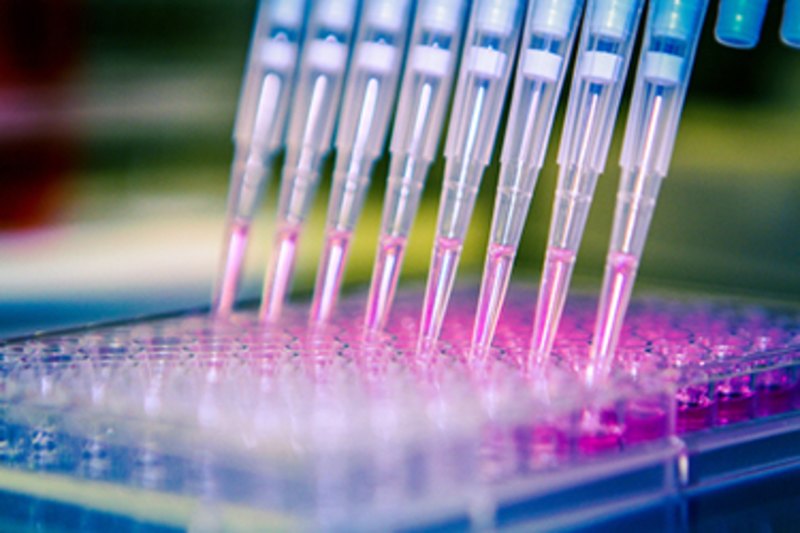
This article looks at the key parameters that affect mammalian cell growth, effective optimization approaches, and best practices for keeping lab cultures robust and consistent.
Understanding Mammalian Cell Culture
Mammalian cell culture is a method for growing animal cells in controlled conditions outside the body. It forms the foundation of biological research, biotech development, and pharmaceutical manufacturing. Such cells originate from tissues, organs, or established lines, and each type demands its own maintenance routine.
The aim is to recreate the native environment as closely as feasible, supplying essential nutrients, holding temperature and humidity steady, and excluding contaminants. The interplay among these conditions dictates how well cells attach, grow, and perform.
Since mammalian cells are fragile, strict aseptic handling and close monitoring of environmental conditions are essential. Even minor shifts can influence growth rates, gene expression, and the final experimental results.
Key Environmental Factors for Growth
Temperature is among the most important variables in culturing mammalian cells. Most lines do best at 37°C, which matches the internal temperature of mammals. Small fluctuations can interfere with enzyme function and cell metabolism, causing poor growth or stress responses.
pH also matters greatly. Mammalian cells usually need a pH between 7.2 and 7.4 to work at their best. Media frequently include buffers such as bicarbonate and CO₂ to keep pH stable during incubation.
Oxygen and carbon dioxide levels have an impact as well. Typical incubators keep CO₂ near 5%, and oxygen can be tailored to the specific cell type. For cancer or stem cell research under low-oxygen conditions, specialized hypoxic chambers are occasionally employed.
Optimizing Culture Media Composition
Culture medium supplies every nutrient and growth factor cells need to survive. Standard formulas such as DMEM or RPMI include amino acids, glucose, salts, and vitamins to fuel metabolism. The ideal medium choice hinges on the cell line and the aim of the experiment.
Serum, usually fetal bovine serum (FBS), provides hormones, growth factors, and proteins needed for attachment. Yet variations between batches can compromise reproducibility, so many labs are turning to serum-free or chemically defined media for greater consistency and control.
Adding antibiotics, glutamine, or targeted growth factors can also improve performance. Routinely checking for nutrient exhaustion and metabolic waste helps keep cells in a healthy growth phase.
Maintaining Sterility and Contamination Control
Contamination remains one of the most frequent challenges in mammalian cell culture. Bacteria, fungi, and mycoplasma can quickly overwhelm a culture, distorting data or wiping out experiments altogether. That makes rigorous aseptic practice absolutely essential.
Always use a certified biosafety cabinet, wipe equipment down with ethanol, and favor disposable supplies whenever possible. Consistent cleaning and careful reagent handling go a long way in lowering contamination risk.
Routine screening for mycoplasma and checking for cross-contamination among cell lines should be built into every lab's quality control. Preventing outbreaks saves time and money compared with dealing with infections once they appear.
Monitoring Cell Health and Growth
Keeping an eye on cell morphology is one of the simplest ways to judge culture health. Under a microscope, healthy cells look attached, evenly distributed, and have transparent cytoplasm. Unusual shapes, granularity, or cells pulling away from the surface can signal stress or contamination.
For more precise measurements, cell counting and viability assays come into play. Trypan blue exclusion or automated counters give a fast read on the ratio of live to dead cells. To dig deeper, metabolic assays like MTT or resazurin show how active the cells are.
Careful records of seeding density, passage number, and media exchanges make it easier to spot trends and head off overgrowth or aging. Regular monitoring is key to keeping results reproducible across experiments.
Scaling Up Cell Culture
As research advances, scientists frequently need to increase cell numbers. Expanding production calls for careful adjustments to surface area, nutrient delivery, and oxygen exchange. Moving from flasks to bioreactors or multilayer vessels can boost yield while preserving quality.
Suspension cultures or microcarrier platforms work well for large-scale manufacturing, including vaccine production or protein expression. They ensure constant mixing and aeration to support optimal cell growth.
Automated monitoring can adjust temperature, pH, and oxygen in real time, cutting down on manual mistakes and keeping conditions uniform for the entire culture period.
Best Practices for Reproducible Results
Reproducibility underpins reliable research. Consistent cell culture practices keep data accurate and comparable from one experiment to the next. Write down every variable—passage number, media lot, incubator settings—so results can be traced easily.
Standardized protocols and thorough training limit variability among lab members. Relying on validated reagents and regular calibration of equipment also supports dependable outcomes.
Finally, ongoing education and adoption of emerging tools—automated culture systems, advanced sensors—help labs sharpen precision and improve efficiency in mammalian cell culture.
Final Thoughts
Getting mammalian cell culture right is equal parts art and science. Temperature, pH, nutrients, sterility—each parameter helps build the stable environment cells need to grow and function. Mastering these conditions yields consistent, high-quality outcomes in both research and industry.
With careful observation, standardization, and innovation, researchers can tap the full potential of mammalian cell systems. Each refinement to culture conditions edges us closer to advances in medicine, biotechnology, and biology.
Whether you're growing cells for fundamental studies or large-scale manufacturing, precision and attention to detail remain essential for success in mammalian cell culture.