Enhancing Bioprocess Performance: Best Practices for Viral Vector Manufacturing
In the fast-growing gene therapy space, viral vector manufacturing has become one of the most difficult and resource-heavy steps in biopharmaceutical production. Platforms ranging from adeno-associated viruses (AAVs) to lentiviral vectors each bring distinct challenges around scale-up, consistency, and quality assurance.
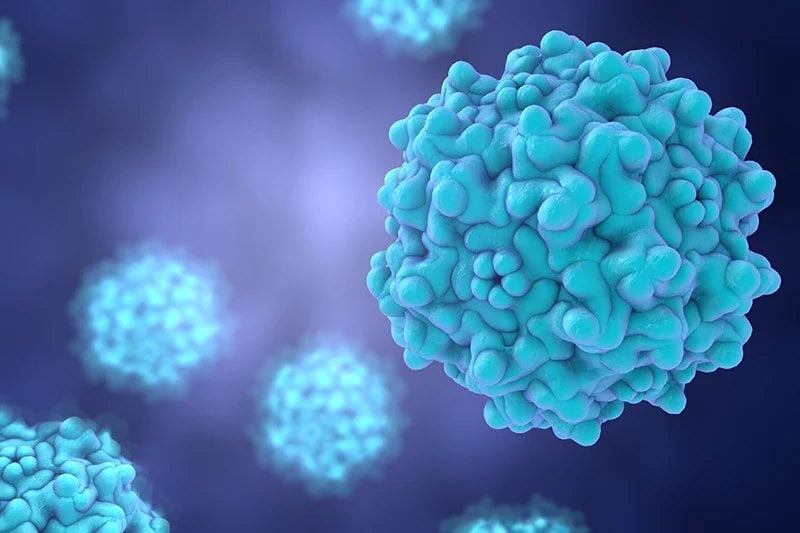
Here, we look at how process optimization, new technologies, and automation are transforming viral vector manufacturing, boosting both efficiency and patient outcomes.
Understanding Viral Vector Manufacturing
Viral vector manufacturing relies on growing host cells that generate viral particles carrying therapeutic genes. The most commonly used vectors are adeno-associated virus (AAV), lentivirus, and adenovirus, and the choice depends on the intended application and delivery needs. These vectors are engineered to deliver genetic material safely while avoiding uncontrolled replication.
Production generally involves upstream steps such as cell culture and transfection, followed by downstream purification using filtration and chromatography. Every phase must be tightly managed to preserve viral integrity and achieve strong yields. Even minor shifts in temperature, pH, or transfection efficiency can have a major impact on product quality.
Grasping the biological and engineering concepts behind these systems is the first step toward spotting inefficiencies and developing solutions for large-scale output.
Key Challenges in Viral Vector Production
A major hurdle in viral vector manufacturing is scalability. Methods that perform well in small laboratory batches often hit bottlenecks once they are expanded to industrial volumes. As bioreactors get larger, maintaining steady yields and potency becomes increasingly complicated.
Purity presents another challenge. Viral vectors must meet strict regulatory requirements for clinical use, and this calls for extensive purification to eliminate host cell proteins and DNA contaminants. These necessary steps can lower overall recovery rates.
Cost is also a significant concern. Raw materials such as plasmid DNA and specialized cell lines account for a large share of production expenses. Refining every step to cut waste and improve yield is key to making gene therapies more feasible and economical.
Strategies for Process Optimization
Boosting efficiency in viral vector manufacturing starts with upstream improvements. Choosing the right cell line, fine-tuning transfection protocols, and maintaining stable cell health are all critical. Using suspension cell cultures in bioreactors, for instance, supports greater scalability and lowers contamination risks.
Automation and process monitoring are equally important. Real-time sensors for dissolved oxygen, temperature, and nutrient levels enable ongoing adjustments that improve yield consistency. Advanced control systems powered by machine learning can even anticipate process deviations before they arise.
On the downstream side, innovations such as affinity chromatography and tangential flow filtration (TFF) improve purification performance. Incorporating these techniques into closed, automated systems cuts down on manual handling and helps ensure product sterility.
Role of Technology and Automation
Digital transformation is changing viral vector manufacturing. Process analytical technology (PAT) and digital twins, which are virtual replicas of physical bioprocesses, allow researchers to simulate and optimize workflows in real time. These tools support predictive modeling that reduces errors and improves reproducibility.
Automation has also lessened reliance on manual steps, improving safety and consistency. Robotic liquid handling systems and integrated monitoring tools can keep production running continuously with limited human involvement. That reduces variability and significantly shortens production timelines.
In addition, combining data across production stages offers useful insights into performance patterns, helping manufacturers fine-tune operations and reach higher productivity with fewer resources.
Quality Control and Regulatory Compliance
Maintaining consistent product quality is essential in viral vector manufacturing. Regulatory agencies like the FDA and EMA require full compliance with Good Manufacturing Practice (GMP) standards, which means comprehensive testing for purity, potency, and safety throughout the entire production process.
Standardized quality control checkpoints help catch deviations early. Analytical methods such as qPCR, ELISA, and infectivity assays confirm vector concentration and biological activity. Keeping full traceability of raw materials, reagents, and process parameters also matters for regulatory audits.
Automation contributes here as well, since digital records and batch tracking ensure clear documentation, ease compliance, and reduce the chance of human error during recordkeeping.
Emerging Trends in Viral Vector Manufacturing
The future of viral vector production points toward scalability and standardization. Companies are increasingly turning to modular and single-use bioreactor systems that can be quickly expanded to meet growing demand. These systems reduce cleaning requirements and minimize cross-contamination risk.
Continuous manufacturing, where production and purification happen at the same time, is also attracting interest. This model shortens turnaround times and improves overall efficiency relative to traditional batch methods.
Moreover, artificial intelligence and advanced analytics will continue to strengthen control over complex biological systems, moving the industry closer to fully automated, self-optimizing viral vector facilities.
Conclusion
Improving efficiency in viral vector manufacturing is not just a technical objective; it is an essential step toward making advanced therapies available to patients around the world. By pairing biological understanding with technological progress, the industry is redefining how gene therapies are created and delivered.
Through process optimization, automation, and data-driven approaches, manufacturers can achieve greater yields, lower costs, and more reliable quality. These advances speed up clinical development and support sustainable production for the expanding gene therapy market.
As the field moves forward, the emphasis will remain on enhancing scalability, reliability, and safety, so that every viral vector produced helps drive the next breakthrough in modern medicine.