A Beginner's Guide to Trading in Roblox 99 Nights
In Roblox 99 Nights in the Forest, staying alive depends on more than quick reflexes or bravery. It comes down to understanding the systems that let you grow stronger as time passes. One system that new players frequently ignore is trading. While most players concentrate on crafting or scavenging, trading quietly becomes the quickest route to better gear and a longer lifespan.
What's 99 Nights in the Forest
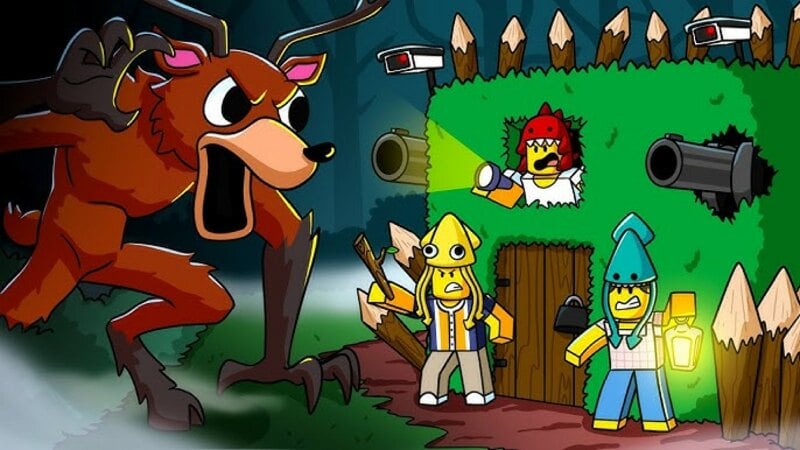
99 Nights in the Forest is a Roblox survival experience built around tension, scarce supplies, and choices that matter over the long haul. You are placed in a dark woodland with one clear goal: survive night after night until you hit Day 99. Every night gets tougher, bringing stronger foes, rougher conditions, and fewer openings to bounce back from errors.
When daylight arrives, players collect wood, search for food, hunt animals, and get their camp ready. Once night falls, visibility drops, hostile creatures emerge, and your survival depends on how thoroughly you prepared. There is no single winning path. Progress comes from learning how the game's systems work and making good use of them.
One system that newcomers often miss is trading. Knowing how trading works can change how hard the game feels, especially once you move past the first few nights.
Why Trading Is a Core Survival Mechanic
At first, surviving in 99 Nights in the Forest seems straightforward. You remain near camp, avoid danger, and get through the night. But that strategy loses effectiveness as the game moves forward. Enemies get quicker, attacks deal more damage, and heading out with weak gear becomes dangerous.
Trading helps you improve faster than crafting can on its own. When you swap animal pelts for equipment, you unlock stronger tools, better weapons, and protective armor much sooner. Those upgrades take the edge off exploring and make combat less overwhelming.
Players who grasp trading usually:
-
Take fewer hits during fights
-
Move farther away from camp without worry
-
Recover more quickly after slip-ups
-
Survive to later nights more reliably
Skipping trading won't make the game unplayable, but it will make everything far harsher.
How Trading Works in 99 Nights in the Forest
Trading here doesn't involve other players. Instead, it centers on a special non-player character called the Pelt Trader.
The Pelt Trader exchanges animal pelts for equipment. Once an offer appears, there is no randomness and no way to lose items unfairly. If you show up with the right pelt, you get the item immediately.
This system rewards players who roam the forest and hunt animals. Pelts act like currency that reflects both effort and danger. The riskier the hunt, the better the payout.
NPC Trading Versus Player Trading on Roblox
It's worth distinguishing in-game trading from Roblox-wide player trading.
-
NPC trading happens only inside 99 Nights in the Forest and is entirely secure.
-
Player trading involves real users swapping limited items or collectibles across Roblox.
For survival progress in this game, NPC trading is what counts. Player trading doesn't affect your gear or performance inside the forest.
When the Pelt Trader Appears and Where to Find Him
The Pelt Trader won't show up on day one. Most players meet him for the first time after surviving a single night, usually on Day 2.
When he shows up, the game makes it clear. He tends to appear around familiar spots such as:
-
The main campfire
-
The Missing Children Board
His visits don't last long. He offers a set number of trades each time and leaves once those trades run out or night arrives. Missing him can set your progress back by several nights.
Because of that, finishing chores early in the day is a smart way to make sure you're available when he appears.
How Pelt Requirements Progress Over Time
The Pelt Trader doesn't take just any item. Every trade calls for a specific pelt tied to a certain animal. As the game progresses, the pelts needed become much harder to get.
Early trades are meant to be manageable. Later trades demand risk, planning, and better equipment. That creates a natural cycle: stronger gear allows tougher hunts, and tougher hunts lead to even greater upgrades.
The Main Types of Pelts and Their Sources
Bunny Foot
Dropped by rabbits found in open areas near camp. Rabbits don't attack and are perfect for newcomers learning how trading works.
Wolf Pelt
Dropped by wolves in wooded areas. Wolves are hostile and often travel in packs, so positioning and timing matter.
Alpha Wolf Pelt
Dropped by Alpha Wolves, which are considerably stronger than regular wolves. They usually appear near caves or abandoned structures.
Bear Pelt
Dropped by bears deep in the forest. Bears rank among the most lethal enemies in the game and should only be faced with solid equipment.
Reducing Risk While Hunting
Good hunting isn't about being fearless. It's about being ready.
Begin with low-risk prey and build confidence gradually. Always carry healing supplies and food before heading out. Running out of health far from safety is one of the biggest reasons new players die.
Early on, staying near the campfire's glow gives you room to make mistakes. Once your gear improves, you can venture deeper into the forest.
For dangerous hunts, teaming up with friends greatly raises your odds and helps you gather pelts faster.
What You Can Gain From the Pelt Trader
The Pelt Trader offers items that change how you approach the game. His rewards generally fit into four groups:
-
Inventory expansion
-
Resource-gathering tools
-
Combat weapons
-
Protective armor
Gear like flashlights improves visibility, axes cut down gathering time, armor lowers incoming damage, and firearms let you fight safely from range.
Every upgrade removes friction from survival and gives you more command over dangerous moments.
Prioritizing the Right Upgrades
Newer players tend to overvalue damage. In practice, awareness and survivability matter more.
Early upgrades that give the best return include:
-
Strong lighting for better visibility
-
Extra inventory space
-
A dependable defensive weapon
-
Basic armor to cut damage taken
These choices cut down on panic, mistakes, and avoidable deaths.
How to Complete a Trade Safely
Trading with the Pelt Trader is a straightforward process:
-
Check that you have the right pelt
-
Walk up to the trader while he's visiting
-
Put the pelt into the trade slot
-
Receive the item right away
Trades can't be undone. Always pause before handing over rare pelts.
Common Errors New Players Make
Certain mistakes show up all the time:
-
Spending rare pelts on small upgrades
-
Losing track of gear already in inventory
-
Burning through every trade in one visit without thinking ahead
Planning a few nights ahead leads to smoother progress and fewer losses.
Choosing a Trading Direction That Fits Your Style
Some players favor cautious exploration and invest in tools and safety. Others like aggressive hunting and prioritize weapons and armor.
Both styles can work. What matters is committing to a plan instead of trading without purpose. Clear priorities keep you improving steadily.
Staying Secure When Trading on Roblox
Every NPC trade in 99 Nights in the Forest is safe. Danger only shows up when you trade with other people elsewhere on Roblox.
Don't share passwords, steer clear of suspicious links, and stick to official systems. If something feels rushed or off, just walk away.
Closing Thoughts: Trading as Long-Term Preparation
Trading turns survival from constant reacting into steady planning. Every pelt you collect is a chance to lower future risk and stretch your run further.
The forest stays dangerous, and the nights never stop pushing you. But with smart trading choices, you meet those challenges ready instead of panicked.