A Beginner's Guide to City Building Construction Software
Ever asked yourself how today's cities get planned, constructed, and run with such efficiency? Behind it all, sophisticated city building construction software has emerged as the engine of smarter urban growth. By converting complicated designs into synchronized digital processes, this tech is changing the way architects, engineers, and city planners turn urban concepts into reality.
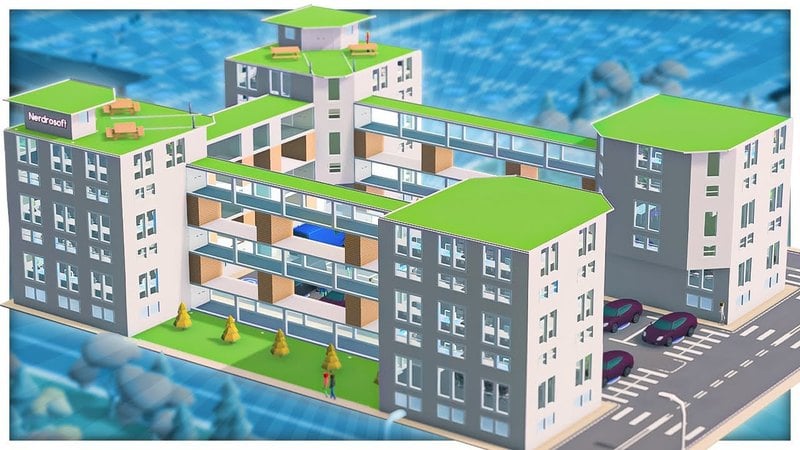
This piece looks at how city building construction software operates, its main advantages, real-world uses, and the trends influencing what comes next. If you work in urban planning, engineering, or just find city development interesting, getting to know this technology offers a fresh way to view urban expansion.
What Is City Building Construction Software?
City building construction software is a set of digital tools meant to support the planning, design, and management of urban building projects. These platforms bring together a range of technologies to smooth workflows, improve collaboration, and reduce mistakes during every phase of city development, from initial concept through final construction.
In most cases, these systems include Geographic Information Systems (GIS), Building Information Modeling (BIM), and 3D modeling. GIS makes it possible to visualize spatial data like land elevation, population density, and zoning regulations. BIM, meanwhile, supplies an intelligent model of buildings and infrastructure, with detailed information on materials, costs, and schedules. Together with 3D modeling, these tools provide planners with a full, interactive picture of city projects before any construction starts.
In addition to visualization, the software offers features for compliance management, cost estimation, scheduling, and risk assessment. Because all key data lives in one digital hub, communication gaps shrink and coordination among stakeholders improves. The outcome is quicker, clearer, and more dependable urban development.
Key Benefits of Using This Software
Improved efficiency is one of the biggest benefits of city building construction software. Automating routine administrative work cuts way down on hours spent on paperwork, reporting, and manual changes. Project managers are able to track progress live, which makes it easier to catch problems early and keep schedules moving.
Better collaboration is another key advantage. The platform gives architects, engineers, and contractors one central space to share updates, design documents, and schedules in real time. This shared communication cuts down on misunderstandings and keeps everyone focused on the same objectives. It also supports remote work, a crucial feature for large city projects with partners spread around the world.
The data-driven insights in these systems also let decision-makers act with confidence. Real-time analytics can surface trends, point out inefficiencies, and predict results, so planners can weigh cost, safety, and sustainability effectively. With these resources, cities can grow based on facts instead of guesswork.
Real-World Examples: How Cities Are Using Construction Software
Around the globe, cities are already using this technology to grow more effectively. Singapore, for instance, has woven BIM and GIS into its national urban planning framework. That integration enables real-time coordination among government bodies and private builders, leading to quicker permit approvals and better use of land.
In the U.S., Los Angeles has embraced digital construction management systems to make infrastructure development smoother. The city can now watch construction progress, control budgets, and keep tabs on environmental impact at the same time. Those changes have shortened approval timelines and made resource use more efficient.
European cities like Amsterdam and Helsinki have likewise put 3D modeling and simulation platforms to work when planning new neighborhoods. Before construction begins, planners can try out different approaches to transportation, green areas, and housing, helping confirm that each project satisfies requirements for sustainability and livability.
Enhancing Project Management Efficiency
City building construction software has become essential to contemporary project management. With visual dashboards and automatic updates, managers get a full view of milestones, budgets, and schedules. They can spot bottlenecks immediately, shift resources, and avoid expensive delays.
Digital tools are also strong on budget management. Built-in cost-tracking helps teams predict spending with accuracy and alert them to possible overruns in advance. Real-time visibility into budgets makes financial decisions quicker and more open, strengthening accountability for both public and private players.
Risk management matters just as much. Many platforms let teams run simulations of different construction situations to prepare for potential setbacks. Whether it's bad weather or missing materials, these simulations support proactive plans that keep work on track. By pairing predictive analytics with live monitoring, cities can sidestep problems that used to be viewed as inevitable.
Trends Shaping the Future of City Construction Technology
Artificial intelligence, automation, and sustainability are pushing the future of city building construction software forward. Developers are building AI tools that examine urban data and automatically recommend design enhancements. Machine learning algorithms, for example, can improve traffic flow or suggest energy-efficient materials according to environmental data.
Augmented reality (AR) and virtual reality (VR) are changing project visualization as well. Planners and residents can take virtual tours of proposed developments and see how new structures will fit with existing infrastructure ahead of construction. This technology boosts design precision and also encourages public participation and openness around city projects.
Sustainability is another major trend. With cities pledging to pursue greener growth, software platforms are adding environmental analysis modules that track energy consumption, carbon emissions, and waste reduction. This evolution keeps modern city planning in line with worldwide sustainability targets while still supporting economic growth.
Conclusion
City building construction software now serves as the foundation of modern urban planning. It combines design, data, and management tools into a single intelligent system that promotes efficiency, teamwork, and innovation. By adopting digital transformation, cities are able to create smarter infrastructure that benefits both communities and the environment.
Successful examples from real cities demonstrate how the technology increases transparency, lowers costs, and speeds up approvals, all while advancing long-term sustainability. As newer technologies such as AI and AR keep evolving, urban development will become even more connected and intelligent.
In the years ahead, the cities that succeed will be the ones using technology not simply to erect buildings, but to shape complete environments—safe, efficient, sustainable places where innovation and quality of life advance together.