What You Should Know Before Buying an Electric Bike
You might be interested in electric bikes but not sure where to start. With a little know-how, you can steer clear of confusion and pick a bike that suits your needs.
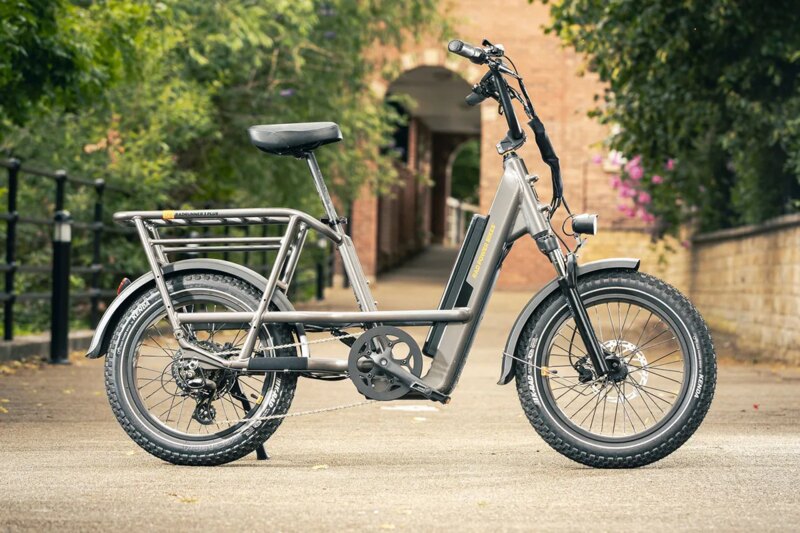
1. What Exactly Is an Electric Bike?
An electric bike, commonly known as an e-bike, is essentially a bicycle equipped with a small motor that assists your pedaling. You ride it just like a regular bike, but the motor provides a gentle boost when you need it. That makes tackling hills easier, long trips less exhausting, and daily commutes more pleasant.
A lot of folks appreciate e-bikes because they get moderate exercise without being wiped out. Others choose them for practical reasons, like dodging traffic or cutting down on travel expenses. Whatever the motivation, the core concept stays the same: a bike that makes riding simpler.
2. How an Electric Bike Works
How an e-bike operates is pretty straightforward. As you begin pedaling, sensors pick up on your motion and switch on the motor. This is called pedal assist. The more effort you put into pedaling, the more help the bike can offer, based on the mode you select.
If the bike comes with a throttle, you can engage the motor using your thumb or wrist, much like a scooter. Not every e-bike includes this feature, and certain regions restrict which types are permitted.
All the controls are handled through a compact display or a set of buttons. You can adjust the assist level depending on how much support you need. For instance, when tackling a hill, you might bump the assist up. On flat stretches, you might drop it down to conserve battery.
In daily use, that translates to easier starts at stoplights, less strain when hauling groceries, and a smoother ride when it's breezy. The setup is made to feel intuitive, so the motor works with your pedaling rather than taking over.
3. Common Types of Electric Bikes You Will See
There are various types of e-bikes, and each one fits a different type of rider.
City or commuter e-bikes are the most popular. They're built for everyday errands, commuting to work, and short trips around town. They typically feature comfy seats, an upright riding position, and straightforward controls.
Folding e-bikes are a good fit if you're in a small apartment or need to stow your bike in a car. They're compact and handy, though they might feel a bit less stable on longer journeys.
Mountain or trekking e-bikes are designed for tougher terrain and outdoor excursions. They come with more powerful motors and enhanced suspension to manage bumps and rough trails.
There are also step-through frames, featuring a low top tube that simplifies mounting and dismounting. These are ideal for those who prefer a more laid-back riding position or need added stability when coming to a stop.
Picking a style largely depends on where and how you intend to ride. The closer your needs align with the bike’s intended use, the more enjoyable your rides will be.
4. Why People Choose an Electric Bike
Folks choose electric bikes for a variety of reasons, but convenience is usually the main factor. Riding becomes less exhausting, particularly on inclines or long journeys. This makes everyday commutes more enjoyable, and you show up without being drenched in sweat or fatigued.
For seniors or those with joint pain, an e-bike makes cycling accessible once more. It lessens pressure on the knees and helps keep a steady pace. Families, too, use e-bikes to transport children or groceries without the customary heavy effort.
Another plus is the cost savings. When you compare it with a car or a scooter, an electric bike is much cheaper to run. You don't need to buy fuel, and upkeep tends to be straightforward. Finding parking is simpler, and you can dodge traffic with ease.
Taken together, these benefits make an e-bike a sensible and fun option for getting around short to medium distances.
5. Key Things to Check Before You Buy
When picking an e-bike, there are a few key things to keep in mind.
Range: Consider your typical daily riding distance. A larger battery gives you more range, but it also makes the bike heavier. What really matters is a practical estimate, not the figure on the label, since actual conditions can cut into the range.
Battery and charging: Charging usually takes anywhere from three to six hours. Think about where you'll plug it in and how often. A battery you can take off gives you more options for charging at home or at work.
Motor power: If you mostly ride on level ground, a moderate motor will do the job. For hilly terrain or heavy cargo, a more powerful motor delivers smoother, more dependable performance.
Bike weight: E-bikes weigh more than standard bikes. Be sure you can lift or maneuver it when necessary, particularly if you live in an apartment or keep the bike inside.
Considering these factors helps you steer clear of a bike that turns out to be awkward or inconvenient down the road.
6. Comfort and Safety You Should Not Ignore
Comfort matters as much as performance. A correctly sized frame keeps your back, arms, and legs in a natural position while riding, which cuts down on tiredness and boosts your confidence.
Check for essential safety features like reliable brakes, bright front and rear lights, reflectors, and a bell. These additions make daily rides safer, especially in traffic or when visibility is poor.
Local regulations are important too. Certain areas mandate helmets or restrict which e-bike types are allowed on specific trails. Being aware of these rules helps you ride safely and avoid penalties.
7. Budget, Test Ride, and Where to Buy
E-bike prices vary widely. While budget options may look appealing, very cheap models often come with inferior components or shorter battery life. Choosing a mid-range bike frequently provides better value over time.
If you can, go for a test ride. Notice how the bike accelerates, brakes, and feels overall, and whether the motor runs smoothly or makes noise. A brief ride tells you more than any online review.
Purchasing from a local dealer gives you access to repair and maintenance services, whereas buying online might offer a wider selection but less hands-on support. Pick the option that suits your comfort level.
FAQ
1. Is pedaling required on an electric bike?
Yes. Most e-bikes are pedal-assist, so you do pedal, but the motor provides extra assistance.
2. What is the lifespan of an electric bike battery?
With proper charging and avoiding extreme temperatures, most batteries can last for several years.
3. Is it safe to ride an electric bike in the rain?
Yes, e-bikes are designed to handle normal weather conditions, but they should not be submerged in deep water or exposed to severe flooding.
4. Are electric bikes suitable for those who haven't cycled in a long time?
Definitely. The motor assistance helps you get back into cycling without getting exhausted quickly.
5. What kind of upkeep does an electric bike require?
Generally, regular inspections of the chain, brakes, and tires are sufficient. The electrical components often need little to no maintenance.
Conclusion
Grasping what an electric bike is and how it operates simplifies the buying experience considerably. By considering your typical routes, comfort preferences, and budget, you can select a bike that enhances your daily routine rather than adding hassle. A quality e-bike should seamlessly integrate into your lifestyle and make each ride more effortless.