Seniors' Guide to Unsold Car Discounts: What to Know Before You Buy
Ever come across headlines saying unsold cars for seniors are "practically free"? The reality is more down-to-earth: dealers sometimes cut prices on slow sellers, especially when new model years roll in. Real savings are out there, but they're hardly giveaways. Here's a look at where these deals come from, the best times to shop, and how seniors can land fair, clear-cut car deals.
We'll cut through the hype, lay out proven timing tricks, and highlight programs that might combine with dealer incentives and factory rebates. Follow these steps to turn clickbait into a smart buy.
What "Unsold Cars" Really Means
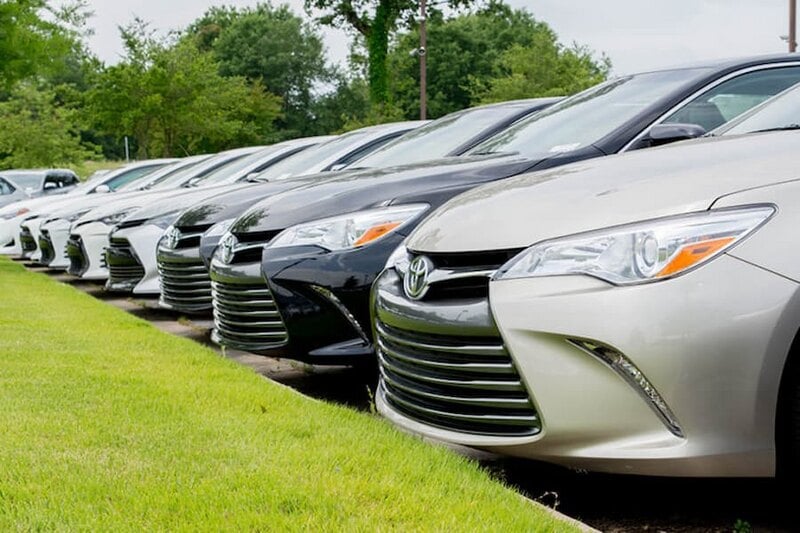
When ads mention unsold cars, they usually mean last year's models, unpopular trims, or colors that lingered on the lot. Dealers pay interest on inventory, so older units cost them monthly. Discounting helps free up space.
These price cuts might show up as cash rebates, low or zero-percent APR financing, or credits for dealer-installed accessories. A big markdown isn't "free," but it can shave a good chunk off the final price.
When the Best Discounts of Unsold Cars Usually Appear
Timing matters. Better car deals often pop up at month-end, quarter-end, and especially late summer through winter when new models arrive. Holiday sales and "model-year closeout" events can layer factory rebates on top of dealer discounts.
Your chances improve on rainy weekdays, in the final days of the month, and during the last hours of a sales event, since teams are working to meet goals linked to dealer incentives.
Where to Find Real Discounts
Don't just check banner ads. Look for "manager's specials," "aged inventory," and previous model-year listings on dealer sites. Compare the same VIN across different dealer groups to push prices down.
Ask for written quotes that break down the vehicle price, doc fees, taxes, registration, and extras. Request the actual out-the-door price. If the dealership won't provide it, walk away.
Smart Ways to Pay Less
Stack incentives. Combine manufacturer rebates, loyalty or conquest bonuses, credit-union pricing, and any local programs for seniors. Some brands also offer mobility rebates if you need adaptive equipment.
Bring your own financing. Get pre-approved by a bank or credit union. A strong outside rate forces the dealer to beat or match it, lowering your total cost.
Politely decline extras that aren't necessary. Paint protection, VIN etching, nitrogen fill, and pricey window tint all push the total up. A simple no keeps the focus on the car's sticker price.
Programs and Benefits That May Help Seniors
Savings through insurance and memberships. Groups geared toward seniors might provide car-buying help, maintenance deals, or extended-warranty discounts. Check with your insurer for telematics or low-mileage perks if you don't drive much.
Certified Pre-Owned (CPO). When a brand-new car is beyond your budget, a CPO model is worth a look. It brings warranty protection, thorough inspections, and usually a lower price than new stock.
Mobility and accessibility. Need hand controls, swivel seats, or a lift? Ask about factory-approved modifications and mobility rebates, which can help cover the cost of those changes.
Red Flags and Common Scams
Watch for bait-and-switch tactics. A listing might advertise a rare trim at an unbeatable price, only for it to be "just sold" when you show up. To steer clear, request a signed quote tied to the specific VIN in advance.
Forced extras. Some dealerships insist that add-ons are "mandatory." They're not. Ask to have them removed or get a discount instead. If they say no, go elsewhere.
Focusing on monthly payments. Salespeople often steer the talk to what you'd pay per month. Shift the discussion to the total price, how long the loan lasts, and the APR. That's the way to safeguard your finances.
Step-by-Step Buying Checklist
1) Establish your budget. Determine the highest out-the-door price you can handle and choose between cash, financing, or leasing.
2) Create a shortlist. Choose two or three models that match your criteria: ease of entry, visibility, safety features, and comfort.
3) Get pre-approved. Secure a loan from a bank or credit union beforehand to strengthen your negotiating position.
4) Gather price quotes. Ask three dealers for written proposals tied to the VIN, with every fee and applicable rebate itemized.
5) Take a test drive and inspect. Evaluate seat comfort, controls, visibility, and road noise. If it's used or CPO, get a third-party inspection.
6) Negotiate via email. Share the quotes and challenge each dealer to beat the lowest out-the-door price. Keep extras out of the discussion.
7) Go over the paperwork. Verify the agreed price, loan term, APR, and that no unexpected products were slipped in.
Financing vs. Paying Cash
Paying cash keeps things simple, yet a manufacturer's low APR with a modest rebate can sometimes outweigh a cash discount. Calculate both scenarios, accounting for taxes and fees. Pick whichever results in the least total expense over the loan period.
When your income is fixed, it's wise to choose a car with predictable monthly costs, solid warranty protection, and a reputation for dependability and cheap upkeep.
Final Thoughts
Unsold cars for seniors aren't actually free, but you can still save a lot if you time your purchase, prepare ahead, and negotiate firmly. Ask for clear pricing, combine any valid rebates, and push for a final price with no hidden fees. With a solid strategy, you can turn those eye-catching ads into a safe, budget-friendly, and comfortable ride that suits your needs.