Hidden Savings: Where to Buy a Reliable Used F-150 Without Overpaying
The Ford F-150 has consistently ranked among America's top-selling trucks, celebrated for its durability, capability, and adaptability. However, the price tag on a new one can be steep, which is why many savvy buyers are exploring the pre-owned market. With numerous options available, snagging a used F-150 at a bargain is more achievable than you'd expect—provided you shop with a solid strategy.
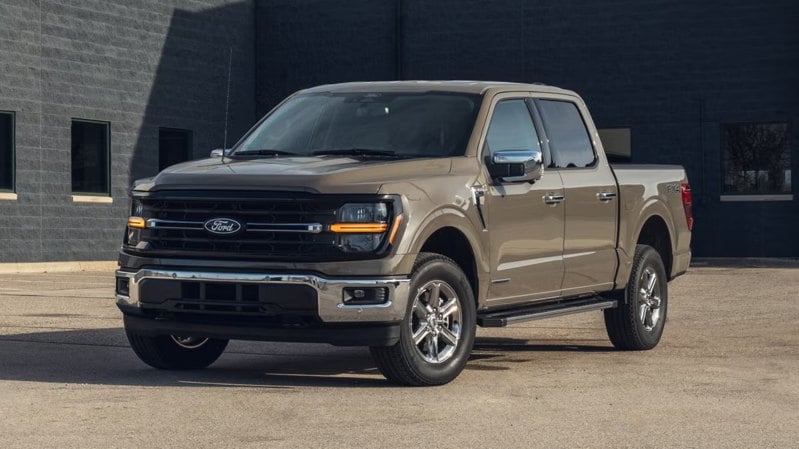
This guide covers every aspect of scoring the best price on a pre-owned F-150—from research methods and inspection tips to negotiation strategies and the optimal time to make your purchase.
Why a Used F-150 Is a Smart Investment
The F-150's popularity isn't just hype—it's engineered for longevity. With routine care, many units easily surpass 200,000 miles, making them among the most dependable trucks available. Opting for a used model lets you enjoy the same towing capacity, comfort, and tech features for a fraction of the original sticker price.
Depreciation is your ally when purchasing a used truck. A brand-new F-150 can depreciate by as much as 20% within its first year. Aiming for models that are three to five years old helps you dodge the steepest value drop while still getting a vehicle with contemporary amenities.
Moreover, given Ford's extensive lineup of trims—from the sturdy XL to the upscale Platinum—buyers of used models often find they can afford higher-tier versions that were once beyond their budget when new.
Where to Find the Best Deals
Tracking down a budget-friendly used F-150 begins with knowing the right places to search. Websites like Autotrader, Cars.com, and CarGurus let you sort by cost, location, and miles, making it easy to compare options in just a few minutes. Ford's certified pre-owned (CPO) program is another route to consider, offering extra warranty protection and added confidence.
Neighborhood dealerships frequently hold clearance sales to clear out older stock, while private owners can sometimes give you the best deals if you're comfortable managing the purchase on your own. Watch for sales at the end of a quarter or year, when sellers are most eager to strike a deal.
Widening your search area can make a difference too. Traveling an extra 50 miles might save you a substantial amount, particularly in regions where pickups aren't as popular.
Inspecting Before You Buy
When you're buying a used truck, a thorough inspection is essential. Begin by pulling a vehicle history report from services such as Carfax or AutoCheck. These documents show past collisions, how many owners it's had, and service history—key details for assessing the truck's true state.
Then, do a hands-on visual and mechanical check. Search for rust, tire wear, or paint mismatches that might point to previous repairs. Be sure to look underneath for any frame damage or fluid leaks.
Whenever you can, bring a trusted mechanic along to check the engine, transmission, and suspension. A small investment in a pre-purchase inspection can help you avoid costly issues later on.
Negotiation Strategies That Work
Negotiation is key to landing the best price. Before you reach out to sellers, look up the fair market value with tools like Kelley Blue Book or Edmunds. That way, you'll have a solid sense of what a fair offer looks like for the specific year and condition you're after.
When you negotiate, open below your top price but stay within reason. Point out any repairs or cosmetic flaws that justify your bid. If the seller won't negotiate, don't hesitate to walk away—there are plenty of F-150s out there, and waiting often leads to better deals.
If you're buying from a dealership, ask about hidden perks like financing deals, trade-in bonuses, or warranty discounts. Stacking these benefits can bring your total cost down even more.
Financing and Payment Tips
Even for a used vehicle, getting pre-approved for financing gives you an edge. Banks and credit unions usually offer lower rates than dealership financing, especially if your credit is good. Bring your pre-approval letter to negotiations to show you're ready to buy.
If you're paying with cash, leverage that as a negotiation point. Sellers—especially private ones—are often more inclined to drop the price for a fast, trouble-free deal. Just be sure to handle the paperwork correctly and verify the title before handing over the money.
For those considering older models, think about skipping financing if the price is within your budget. Paying in full avoids interest charges and makes ownership simpler.
When Is the Best Time to Buy?
The timing of your purchase can greatly affect the final price. Late fall and winter often bring better offers as demand decreases and dealerships make room for new inventory. Also, shopping toward the end of the month or quarter can yield extra savings since sales teams are eager to meet their quotas.
Watch regional patterns as well. For instance, pickup truck demand often drops in cities during colder months, which can push prices down. On the other hand, rural areas where trucks are in steady demand might not see as much of a discount.
Being patient pays off—track listings for a few weeks to spot pricing trends, then make your move when you find the ideal match of condition, mileage, and price.
Conclusion
Purchasing a pre-owned F-150 doesn't mean you have to give up on reliability or capability. With a little homework and thoughtful planning, you can land a dependable truck at a price that suits your wallet. Whether you're browsing online, checking vehicles in person, or haggling like a pro, each move you make brings you closer to a better deal.
The secret lies in getting ready—knowing exactly what you need, grasping the going rate, and holding out for the right opportunity. With countless used F-150s up for grabs across the country, the ideal match is waiting for you.
Kick off your hunt today, and you'll see just how budget-friendly America's top-selling pickup can be when you shop wisely.