Best Budget EVs for Senior: Safe, Simple, and Efficient Options
Considering a switch to an electric car but unsure where to begin? For many older drivers, EVs deliver a cozy, budget-friendly, and environmentally conscious ride. Thanks to improved battery tech, extended range, and reduced operating expenses, the timing has never been better to go electric.
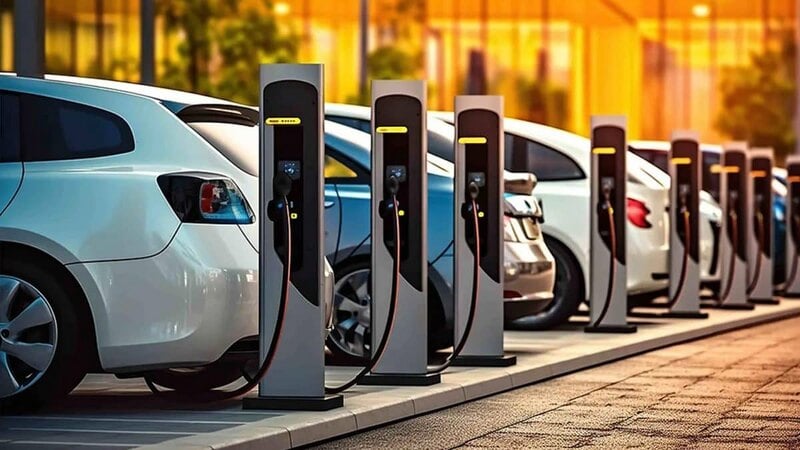
Today's EVs are built with ease and safety as priorities—ideal for those who value convenience and reassurance. Whether you prefer a small city runabout or a larger model with driver-assist tech, there's a fit for every lifestyle and price point.
Let's explore the top electric car choices for seniors and see how they're helping drivers cut costs while remaining safe and self-sufficient.
Why Electric Cars Make Sense for Seniors
Electric cars are naturally straightforward to operate. Most come with automatic gearboxes, instant torque for smooth pickup, and hushed cabins—cutting down on tiredness during longer journeys. For older individuals, this user-friendly nature makes driving more pleasant and less taxing.
Upkeep is another big plus. EVs skip oil changes, and their simpler mechanics translate to fewer malfunctions. Routine care usually means checking tires and brakes, leading to easier and more predictable ownership.
Also, the regenerative braking systems found in most EVs help cut down on brake pad wear and boost safety. Collectively, these thoughtful design touches make electric cars a particularly good fit for older drivers.
Top Affordable EV Models for Seniors
A number of automakers now produce electric models that focus on affordability and user-friendliness. The Nissan Leaf, Chevrolet Bolt, and Hyundai Kona Electric are often cited as top picks for value, delivering dependable performance and low operating expenses.
For those who like a small city runabout, the Mini Cooper SE and Fiat 500e offer nimble handling and straightforward charging. Their compact size makes parking and getting around simple, even in crowded areas.
On the other hand, seniors seeking extra room or upgraded comfort features might look at the Kia Niro EV or Volkswagen ID.4, both of which come with supportive seats, easy-to-use controls, and strong safety scores.
Charging Made Easy
A frequent worry about going electric is charging—but it's less complicated than many think. Most EVs can be plugged into a standard household outlet overnight or use a quicker Level 2 charger. Public charging networks are also growing quickly, making longer trips and road travel more convenient.
A lot of car manufacturers now bundle free charging perks with new purchases, or give access to networks such as Electrify America or Tesla Superchargers. These advantages cut down a lot on what you'd normally spend to keep the car running.
For older drivers, the ease of charging at home means no more trips to the gas station—a big plus for both comfort and safety.
Government Incentives and Rebates
Going electric brings financial bonuses beyond just saving on fuel. Plenty of areas offer rebates, tax credits, and registration discounts to push people toward EVs. These can knock thousands off the sticker price, making electric cars more budget-friendly than before.
Certain states even have cheaper electricity rates for EV charging during off-peak times, making ownership costs even lower in the long run. Local authorities often team up with utility providers to grow these initiatives.
Before you make a purchase, it's smart to look into which federal or state perks apply where you live—you might be surprised by the savings.
Safety and Comfort Features for Older Drivers
Modern EVs put a strong emphasis on driver safety through advanced assistance tech. Systems such as lane-keeping assist, blind-spot detection, and automatic emergency braking help make everyday driving safer.
A number of models offer convenient entry seating, crisp digital displays, and voice-command controls, which cut down on physical effort and distractions. Since EVs run quietly, drivers can concentrate on the road without the noise of an engine.
Automakers are increasingly focusing on older drivers, crafting vehicles with excellent visibility, soft-touch materials, and adjustable ergonomics to enhance comfort.
Long-Term Savings and Maintenance
While the upfront price of an electric car might be steeper, the long-term savings are significant. With fewer components to maintain, reduced fuel expenses, and attractive tax credits, the overall cost of ownership can be much lower than that of a gas-powered car.
Battery warranties frequently extend to eight years, offering reliability and peace of mind. Over time, many seniors discover that the savings on fuel and upkeep easily make up for the initial cost.
All things considered, EVs deliver benefits on both the financial and practical fronts, positioning them as one of the most budget-friendly transportation options for retirees.
Conclusion
Electric cars have moved well beyond the early-adopter phase—they're now accessible, affordable, and well-suited for older drivers. With intuitive features, minimal running expenses, and easy-to-access rebates, EVs provide freedom and comfort while also supporting environmental sustainability.
As innovation keeps moving forward, the market will see even more budget-conscious and efficient options. For retirees aiming to cut costs, reduce upkeep hassles, and appreciate a seamless ride, making the leap to an electric vehicle could rank among the wisest moves in 2025.
Silent, wallet-friendly, and simple to operate—electric cars genuinely transform what staying mobile means in today's world.