Smart Renting: A Practical Guide to Finding Your Dream U.S. Apartment on a Budget
If you've ever looked for an apartment, you're probably aware of how simple it is to get caught in common pitfalls. Maybe you've come across an ad that seemed flawless online but actually had hidden maintenance problems. Or perhaps you settled into a place only to find extra charges tucked away in the lease, loud neighbors, or a commute that took twice as long as anticipated. In this article, you'll discover exactly how to avoid those issues.
1. Understanding Your Needs and Budget
The initial move is to sort out what matters most to you. Make a list of your non-negotiables (like the number of bedrooms, parking, or pet rules) versus your preferences (such as a gym, balcony, or washer/dryer in the unit).
When it comes to money, financial advisors suggest capping rent at no more than 30% of your gross monthly earnings. Also, remember to account for utilities, renter's insurance, parking costs, and any security deposits. Many rental platforms now offer total cost estimators—take advantage of them so you don't get hit with surprise charges.
2. Different Types of Rental Properties
Before diving into your search, it's crucial to know the different kinds of properties you'll encounter in the U.S. rental scene:
-
Apartments: Usually found in bigger complexes, with shared perks like fitness centers and pools. Ideal for those wanting convenience and professional oversight.
-
Condos: Privately owned units that are often leased by individual owners. They tend to feature nicer finishes and building amenities, though lease agreements can differ.
-
Townhomes: These multi-story residences blend the roominess of a house with the feel of a community setting. Great for families or those who value extra seclusion.
-
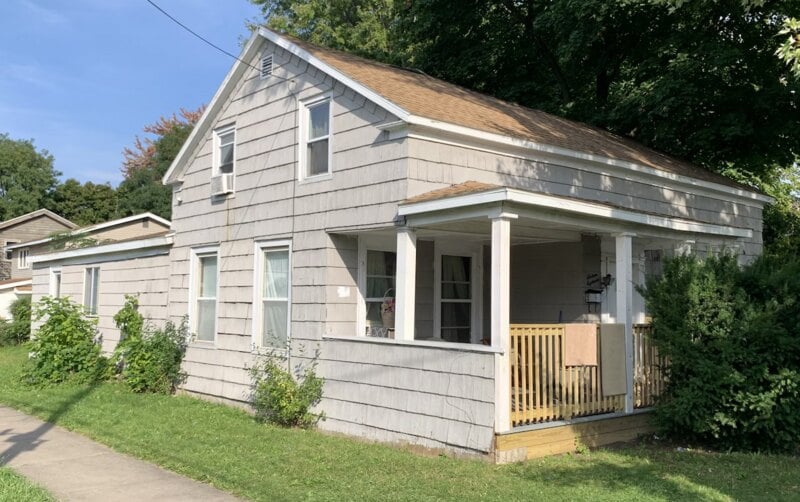
Single-Family Homes: Standalone houses that provide the most square footage and autonomy, commonly chosen by families or those seeking extended leases.
-
Co-Living or Shared Housing: An increasingly popular option for young professionals, delivering furnished rooms and adaptable lease agreements at reduced rates.
Recognizing these categories lets you align property type with your way of life—city dwellers might lean toward high-rise units, whereas families could choose suburban houses.
3. Current Trends in the U.S. Rental Market
Since 2020, the U.S. rental market has undergone major transformations, driven by economic changes, remote work, and shifting demographics.
-
Rising Rents: Data from Zillow and Apartment List shows that national rents are still higher than before the pandemic, with moderate growth in mid-sized cities like Austin, Nashville, and Tampa.
-
Suburban and Sunbelt Migration: A lot of renters are leaving expensive urban hubs such as San Francisco and New York, heading to more affordable areas in the South and Midwest.
-
Remote Work Flexibility: The need for home offices has boosted interest in bigger apartments and suburban rentals.
-
Short-Term and Flexible Leasing: Services that offer furnished, month-to-month leases are growing, particularly for digital nomads and remote workers.
Keeping these trends in mind can help you predict price shifts, negotiate better deals, and pick a spot that fits future growth.
4. Using Reliable Apartment Search Platforms
Hunting for an apartment has gotten easier thanks to online tools, but picking the right site is key.
-
Zillow, Apartments.com, and Realtor.com offer verified listings along with advanced search filters.
-
Craigslist and local Facebook housing groups may have cheaper options, but they demand extra care—always double-check that a listing is real.
Set up alerts so you get notified when new places that fit your criteria pop up, giving you an edge in hot markets.
5. Inspecting the Property Thoroughly
Before you sign anything, arrange a tour either in person or virtually. Keep an eye out for damage, test the appliances, water pressure, and outlets. Ask about how often maintenance happens, what the noise is like, and pest control.
Snap photos and jot down any pre-existing problems—this will help you get your security deposit back later.
6. Understanding the Lease Agreement
Leases differ a lot, so go through yours with a fine-tooth comb.
Look at the length (usually 12 months), how renewals work, and what happens if you need to break it. Know what you're on the hook for regarding upkeep and utilities, and check for any late fees or subletting charges.
If you're not sure, reach out to local renter advocacy groups or legal aid—they can break down the jargon and help you avoid conflicts down the road.
7. Negotiating Rent and Move-In Terms
A lot of tenants don't realize that rent can often be negotiated. When the market leans in favor of renters or a unit has sat on the market for some time, property owners might be open to lowering the price, throwing in free parking, or dropping certain fees.
Supporting your case with evidence—like similar rentals in the neighborhood—makes your argument stronger. Even minor adjustments can add up to significant savings over the course of your lease.
8. Preparing for Move-In Day
After you're approved, make sure you've got your move-in game plan in order: setting up utilities, submitting change-of-address requests, and getting renter's insurance. On day one, document the apartment's condition thoroughly—this keeps everything above board and protects your security deposit.
If you're bringing in movers, get estimates early and double-check their insurance so there are no surprises at the last minute.
Conclusion: Renting with Confidence
Finding an apartment is a mix of logic and gut feeling—it's about weighing what you need against what makes you comfortable. With solid research, a firm budget, and a good read on the market, you can tackle the U.S. rental scene with confidence.
Keep yourself in the loop, ask smart questions, and view the whole process as an investment in both your daily life and long-term financial health.